

 English
 中文简体
中文简体
News

Industry News
What You Need to Know Before Choosing Plastic Lotion Bottles
 2026.05.28
 Industry News
Content
- 1 Plastic Lotion Bottles Are the Industry Standard — But Not All Are Equal
- 2 The Most Common Plastic Materials Used in Lotion Bottles
- 3 Bottle Shapes and Formats: Choosing the Right Structure
- 4 Dispenser and Closure Options That Affect User Experience
- 5 Compatibility Between Formula and Plastic: A Critical Step Often Overlooked
- 6 Decoration and Labeling Techniques for Plastic Lotion Bottles
- 7 Sustainability Considerations in Plastic Lotion Bottle Selection
- 8 How to Evaluate Suppliers for Plastic Lotion Bottles
- 9 Volume Sizing: Matching Bottle Capacity to Product Category
Plastic Lotion Bottles Are the Industry Standard — But Not All Are Equal
Plastic lotion bottles dominate personal care and cosmetic packaging for good reason: they are lightweight, shatter-resistant, cost-effective, and compatible with a wide range of formulations. Over 70% of skincare and body care products globally are packaged in plastic containers, with lotion bottles representing the single largest subcategory. However, not every plastic bottle works for every product. The material type, wall thickness, dispenser mechanism, and compatibility with the formula all determine whether a bottle will perform reliably on a shelf — or fail within weeks of use.
Whether you are a product developer selecting packaging for a new lotion line, a procurement manager comparing supplier options, or a brand owner looking to reduce costs without compromising quality, understanding how plastic lotion bottles are classified and evaluated will save significant time and money in the long run.
The Most Common Plastic Materials Used in Lotion Bottles
The resin used to manufacture a lotion bottle directly affects its clarity, flexibility, chemical resistance, and recyclability. Five materials account for the vast majority of production:
| Material | Resin Code | Clarity | Flexibility | Best For |
|---|---|---|---|---|
| HDPE | #2 | Opaque/Translucent | Semi-rigid | Body lotions, thick creams |
| LDPE | #4 | Translucent | Highly flexible | Squeeze bottles, travel sizes |
| PET | #1 | Crystal clear | Rigid | Premium serums, toners |
| PP | #5 | Opaque/Milky | Rigid | Pump dispensers, caps |
| PCR Plastic | Varies | Variable | Variable | Eco-focused lines |
HDPE: The Workhorse of Lotion Packaging
High-density polyethylene is the most widely used material for lotion bottles in mass-market personal care. It has excellent resistance to moisture, chemicals, and UV light, which makes it ideal for formulas containing active ingredients like alpha hydroxy acids or retinol. HDPE bottles can withstand temperatures from -40°F to 266°F, making them suitable for both cold-process and heat-fill production methods. Because HDPE is opaque or slightly translucent, it also naturally protects light-sensitive formulations without requiring additional UV-blocking additives.
PET: Premium Clarity for Elevated Brands
Polyethylene terephthalate offers glass-like transparency at a fraction of the weight and cost. PET is the preferred choice for brands that want consumers to see the product inside — particularly popular for clear or lightly tinted serums and milky lotions where appearance is part of the brand's sensory appeal. PET is also widely accepted in municipal recycling programs, giving brands a straightforward sustainability talking point.
PCR Plastic: The Sustainability Upgrade
Post-consumer recycled plastic uses reclaimed material — often from previously used bottles — to manufacture new packaging. PCR content can range from 25% to 100% recycled material. Adopting PCR packaging has become a significant commitment for many brands: industry surveys indicate that consumers are willing to pay 5–10% more for products packaged in verified recycled content. However, PCR plastic may have slight color variation and reduced clarity compared to virgin resin, which requires label and design strategies that account for the difference.
Bottle Shapes and Formats: Choosing the Right Structure
Lotion bottle shape influences how the product is dispensed, how much product the consumer can access, and how the bottle sits on a shelf or in a bathroom. Each format solves a different problem:
- Boston round bottles: Classic cylindrical shape with a rounded shoulder. Extremely common in body lotions and hand creams. Easy to label and fill, with consistent wall thickness that prevents distortion during shipping.
- Oval or flat bottles: Ergonomic and easy to grip, these are popular for bathroom countertop display. The flat profile makes them space-efficient and ideal for showcasing label graphics.
- Tottle bottles (inverted): Designed to stand upside-down, tottes allow consumers to dispense product easily without shaking or scraping. These are particularly effective for thicker formulations like body butters and heavy-duty moisturizers.
- Tube-style bottles: Squeezable, flexible construction that allows for near-complete product evacuation. Studies have shown that tube packaging can recover up to 95% of product content, reducing waste and improving perceived value for the consumer.
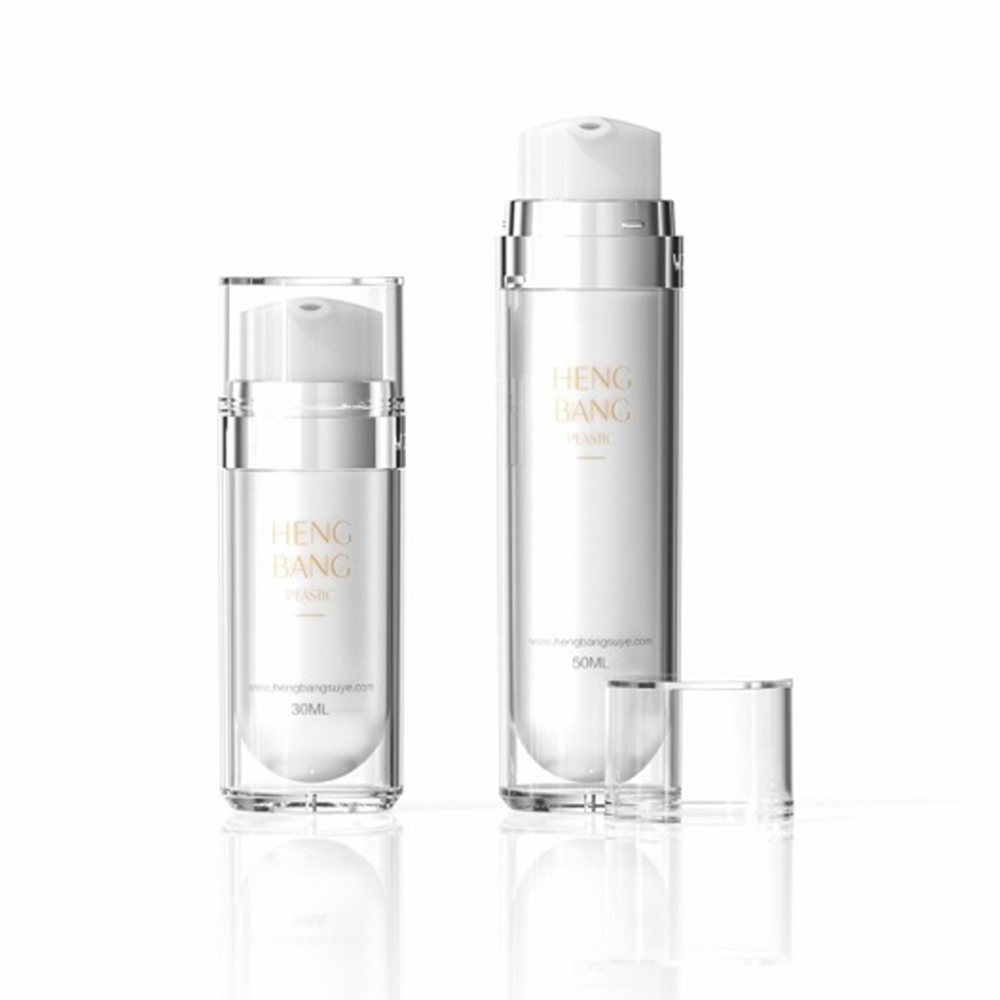
- Airless pump bottles: Use a rising platform mechanism instead of air intake. This prevents oxidation and contamination, making them excellent for formulations with vitamin C, retinoids, or peptides that degrade on exposure to air.
Dispenser and Closure Options That Affect User Experience
The closure system is often the most-touched part of any lotion bottle. Getting it wrong means frustrated consumers, product waste from leaks, or contamination. The most common options for plastic lotion bottles include:
Pump Dispensers
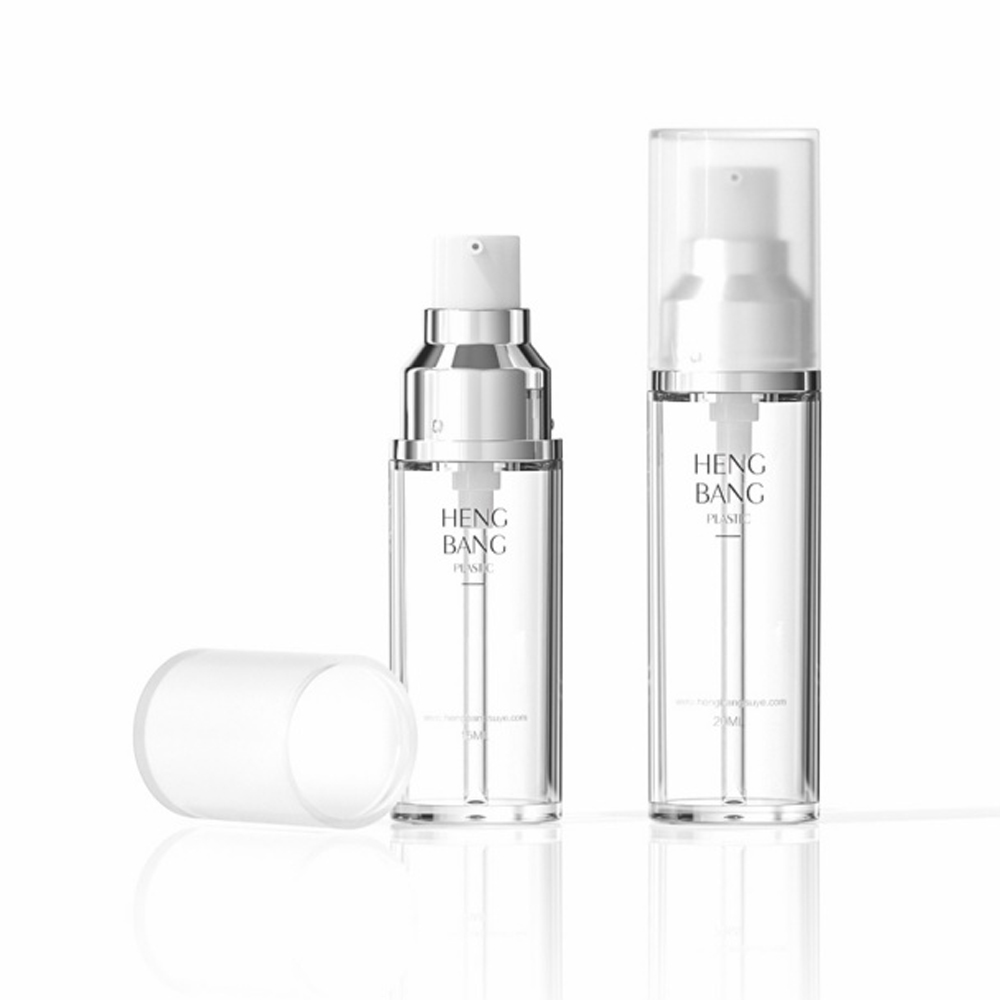
Lotion pumps are the dominant closure in premium and mid-tier skincare. A standard 28mm or 24mm pump head delivers a measured dose of approximately 1–2 mL per stroke, which helps consumers use the right amount while extending product life. Pump dispensers also reduce the risk of contamination because the user never has to touch the product directly. When selecting a pump, the viscosity of the formula matters enormously — standard pumps work for water-thin to medium-bodied lotions, while high-viscosity pumps with reinforced springs are required for thick creams above 50,000 centipoise.
Flip-Top and Disc Caps
Flip-top caps are one-handed closures commonly used in squeeze bottles for hand and body lotions. They are cost-effective and widely recognizable. Disc caps offer a controlled flow opening that snaps shut cleanly, preventing leaks in transit. Both cap styles are typically manufactured from polypropylene and can be matched to bottle color for a cohesive design.
Screw-On Caps with Inner Seals
Used in jar-style lotion containers or wide-mouth bottles, screw caps with foil or foam inner seals are an excellent choice when tamper-evidence is a priority. The inner seal creates a visible sign of integrity, which consumers in markets like North America and Europe increasingly expect from premium products.
Compatibility Between Formula and Plastic: A Critical Step Often Overlooked
One of the most costly mistakes in lotion packaging is skipping compatibility testing. Certain active ingredients interact chemically with specific plastics, causing the bottle to crack, discolor, or leach trace compounds into the formula. Essential oils, for example, can cause stress cracking in HDPE and PET bottles if the concentration exceeds 5% by weight without appropriate barrier treatment.
Standard compatibility testing involves filling bottles with the target formula at full concentration, then storing them at accelerated aging conditions — typically 104°F (40°C) and 75% relative humidity — for 8 to 12 weeks. Evaluators check for:
- Physical deformation or discoloration of the bottle
- Changes in product viscosity, color, or odor
- Cap or pump failure rates above acceptable thresholds
- Seal integrity under pressure and inversion
Brands that skip this step risk costly recalls. In 2019, a widely reported case saw a mass-market lotion line pulled from retail after HDPE bottles began warping within six months due to an incompatible fragrance blend — a problem that compatibility testing at a cost of roughly $2,000–$5,000 would have identified before production.
Decoration and Labeling Techniques for Plastic Lotion Bottles
The visual presentation of a lotion bottle communicates brand identity before the consumer even reads the product name. Decoration methods vary in cost, durability, and visual effect:
Pressure-Sensitive Labels (PSL)
The most flexible and cost-effective labeling option, PSLs are printed separately and applied to the bottle surface. They support full-color printing, metallic foils, and embossed textures. A key consideration is label adhesive selection — water-resistant adhesives are essential for bath and body products that will be handled with wet hands or stored in humid environments.
Shrink Sleeve Labels
Shrink sleeves wrap the entire bottle — including the shoulder and base — enabling 360-degree graphic coverage that pressure-sensitive labels cannot achieve. Shrink sleeve adoption in personal care grew by an estimated 18% between 2018 and 2023, driven by brands seeking more immersive shelf presence and tamper-evidence as a secondary benefit.
Direct Printing and Silk Screening
Ink is applied directly to the bottle surface, eliminating label waste and creating a premium "no-label" look that has become increasingly popular in eco-conscious and luxury segments. Silk-screen printing is well-suited for designs with fewer colors and clean geometric shapes, while digital direct-to-container printing supports complex photography-quality graphics.
In-Mold Labeling (IML)
Labels are inserted into the mold before the plastic is formed, creating a permanent, scratch-resistant decoration that is integral to the bottle wall. IML provides outstanding durability and eliminates the need for secondary labeling operations, but requires higher upfront tooling costs and longer lead times — making it most practical for high-volume, long-lifecycle SKUs.
Sustainability Considerations in Plastic Lotion Bottle Selection
Consumer pressure and regulatory momentum are reshaping what responsible lotion bottle sourcing looks like. Several practical strategies can reduce environmental impact without sacrificing performance:
- Source reduction: Reducing wall thickness by even 10–15% through lightweighting can cut total plastic resin use significantly across high-volume SKUs, without compromising structural integrity if engineering is done correctly.
- Mono-material construction: Bottles, caps, and pumps made from the same resin family are far easier for recycling facilities to process. Mixed-material bottles — such as HDPE bottles with PP pumps — are technically recyclable but often not processed as such in practice.
- Refillable systems: A small but growing category of premium brands now offer refill pouches or bulk refill stations, with the lotion bottle designed for 5–10 refill cycles before replacement. This model can reduce packaging waste per unit by up to 80% over a two-year product lifecycle.
- Biobased plastics: Materials like bio-PET — derived partially from sugarcane rather than petroleum — are chemically identical to conventional PET and can enter the same recycling streams, offering a renewable sourcing story without sacrificing recyclability.
The European Union's Packaging and Packaging Waste Regulation, finalized in 2024, sets mandatory recycled content thresholds for plastic packaging — with targets of 30% recycled content for plastic contact packaging by 2030. Brands selling in EU markets will need to track and document resin sourcing as a compliance requirement, not just a marketing choice.
How to Evaluate Suppliers for Plastic Lotion Bottles
Not all packaging suppliers operate to the same quality standards, and the consequences of a poor choice — leaking bottles, off-spec dimensions, contaminated resin — are felt downstream by retailers and consumers. When vetting suppliers, the following criteria are most relevant:
- Certifications: ISO 9001 for quality management systems is a baseline expectation. For bottles that will be used with cosmetics sold in the US, suppliers should be familiar with FDA 21 CFR regulations governing indirect food and cosmetic contact materials.
- Sampling process: A credible supplier will provide pre-production samples — including filled samples using your actual formula — before committing to a full production run. Request samples in both the standard and accelerated stability conditions.
- Minimum order quantities (MOQ): MOQs for plastic lotion bottles typically range from 500 units for custom molds to 5,000–10,000 units for stock bottle programs. Understand the MOQ structure and how tooling costs are amortized across order volumes.
- Lead times: Stock bottle programs can ship in 2–4 weeks. Custom mold projects — including mold design, fabrication, and sampling — typically require 12–20 weeks from approval to first production delivery.
- Traceability: For brands committed to sustainability, suppliers should be able to provide resin certificates confirming PCR content percentages and origin documentation for biobased materials.
Volume Sizing: Matching Bottle Capacity to Product Category
Lotion bottle volume selection should be driven by use rate, retail price point, and the consumer's expected repurchase behavior. Offering a size that runs out too quickly feels like poor value; offering one that takes too long to finish can raise spoilage concerns for preservative-sensitive formulations. Common sizing conventions across product categories are:
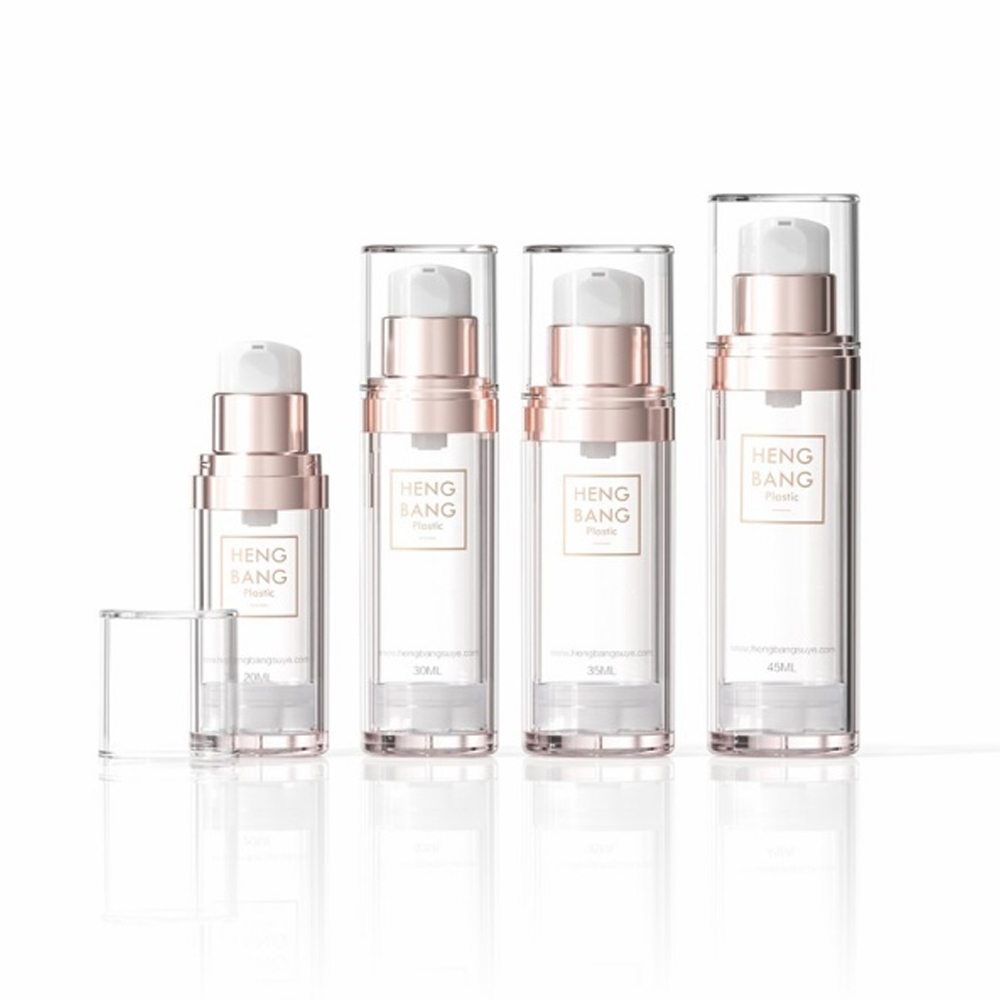
- Travel and sample sizes (15–50 mL): Trial-sized bottles intended for hotel amenities, subscription boxes, or retail impulse displays. Often the first touchpoint with a new consumer.
- Daily use sizes (100–250 mL): The primary retail format for facial and hand lotions. At average application rates of 1–2 mL per use, a 200 mL bottle lasts most consumers 2–3 months.
- Body lotion sizes (250–500 mL): The standard for full-body moisturizers used post-shower. Pump dispensers are most practical at this volume, as consumers prefer not to tip or shake a large bottle.
- Value and bulk sizes (500 mL–1 L+): Club store and professional salon formats. Cost per unit is significantly lower, but the packaging must maintain structural integrity over the longer period before the product is fully consumed.
QUICK
Product Categories
Contact
-
[email protected]

-
+ 86 - 18858081323

-
+ 86 - 574 - 62422802

-
+ 86 - 18858081323

-
No.7 Zhenbei Road, Mazhu Town, Yuyao City, Zhejiang Province, China.

Let’S Co-Create A High-Quality
Future For Cosmetics Packaging.
Copyright © Yuyao Hengbang Plastic Co., Ltd.
All Rights Reserved.
 Wholesale Plastic Cosmetic Packaging Manufacturers