English
 中文简体
中文简体
News
Home > News > Industry News > Plastic Airless Bottles: Revolutionizing Skincare and Cosmetic Packaging

 2026.05.07
 Industry News
Content
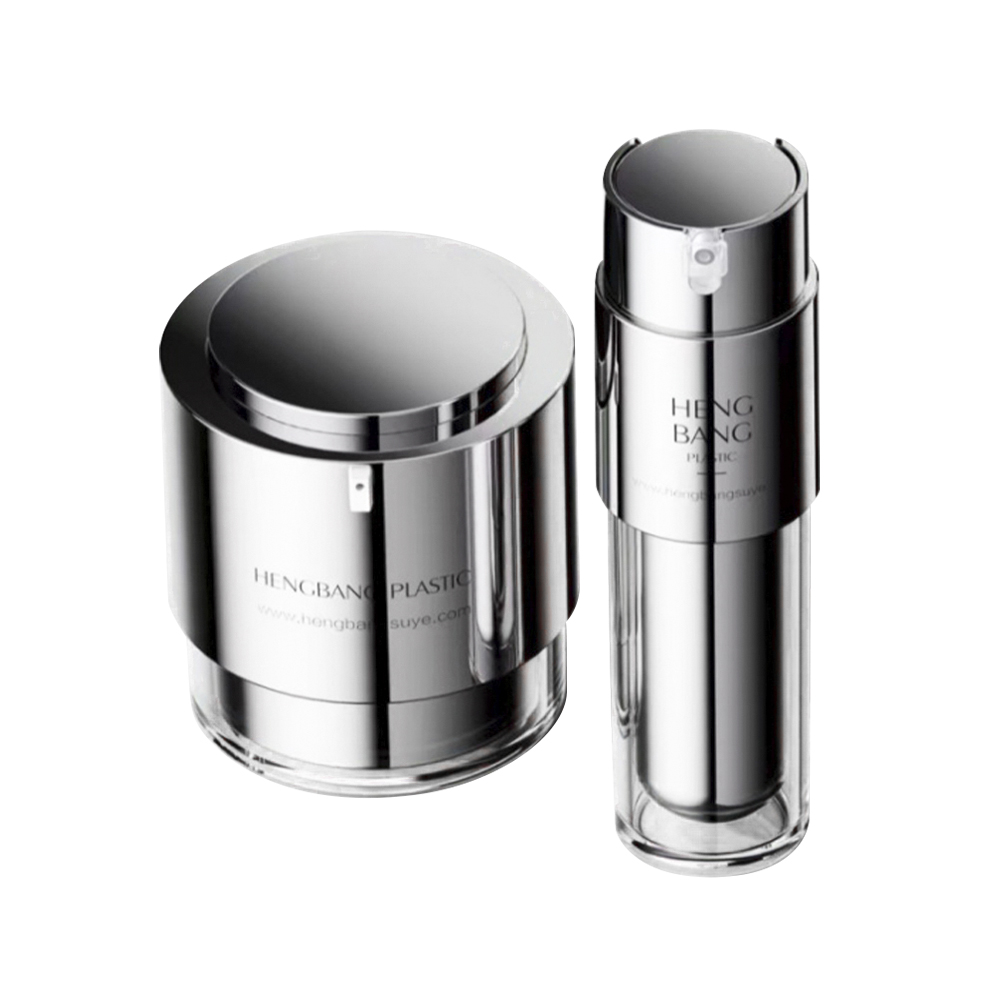
Plastic airless bottles have become a preferred solution for cosmetic and skincare packaging because they prevent contamination, preserve product integrity, and extend shelf life. Unlike traditional pump bottles, airless bottles minimize air exposure, which reduces oxidation and preserves sensitive ingredients such as vitamins, peptides, and natural extracts.
Their design also ensures precise dispensing, avoiding waste and maintaining hygiene. For manufacturers and consumers alike, this means a more reliable, convenient, and environmentally conscious packaging choice.
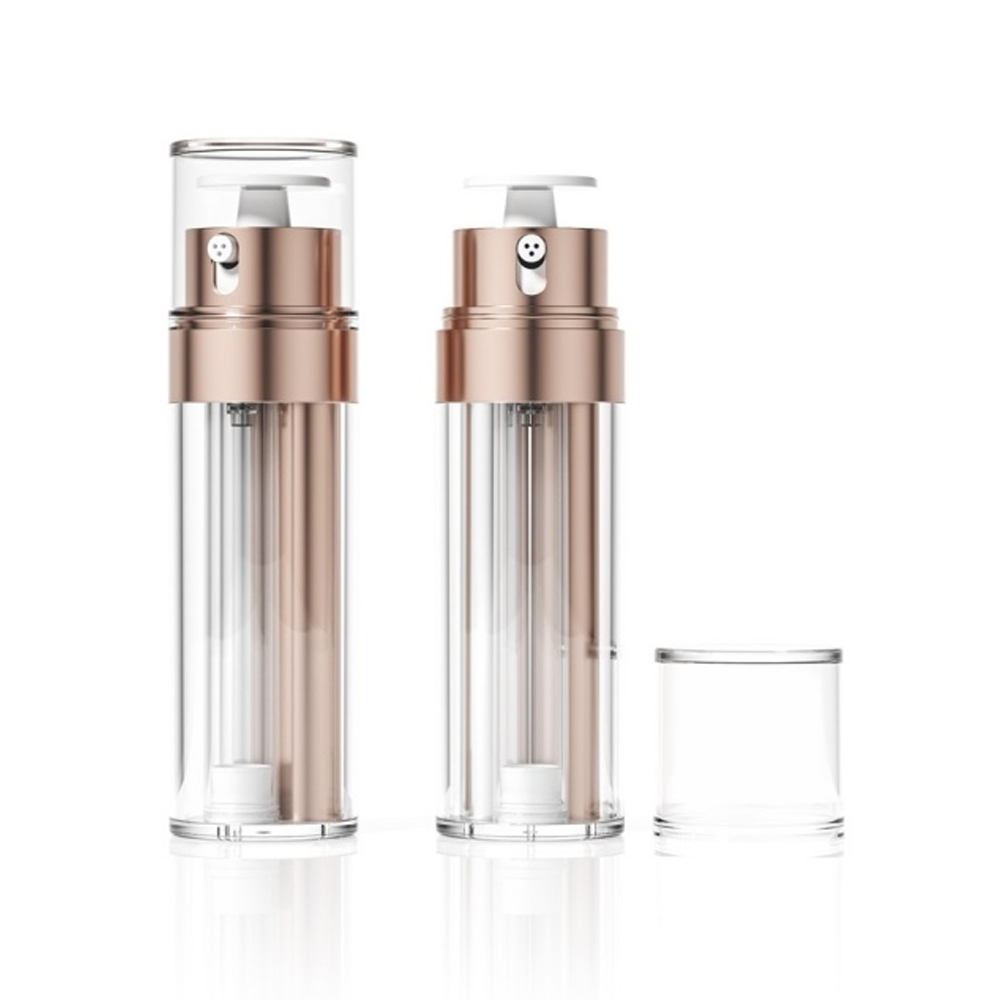
The defining feature of an airless bottle is its vacuum pump mechanism, which removes the need for a straw or dip tube. The product is pushed upward by a piston inside the bottle, ensuring consistent flow and preventing contamination from repeated contact with air.
Plastic airless bottles are typically made from high-density polyethylene (HDPE), polypropylene (PP), or polyethylene terephthalate (PET). These materials are:
Because the bottle is sealed, the product is never exposed to air or fingers, reducing bacterial growth. This is particularly important for products with natural or preservative-free formulas.
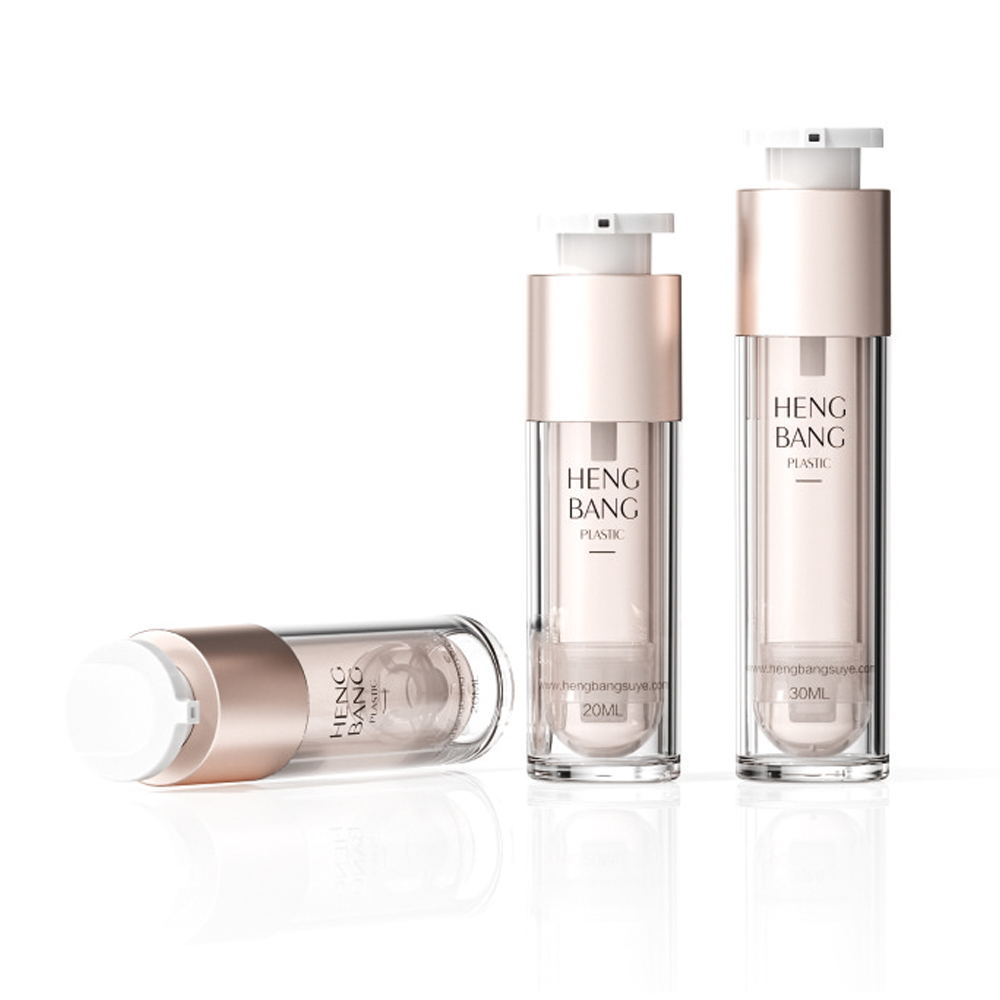
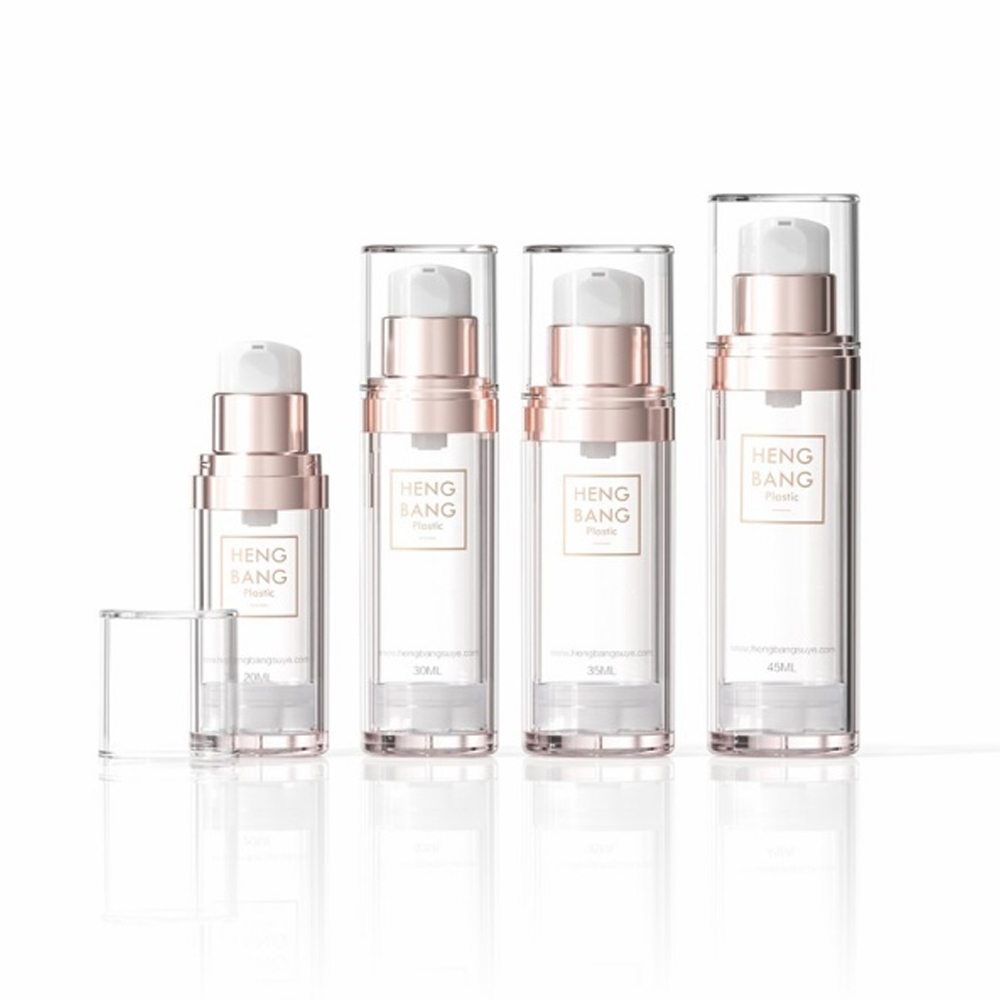
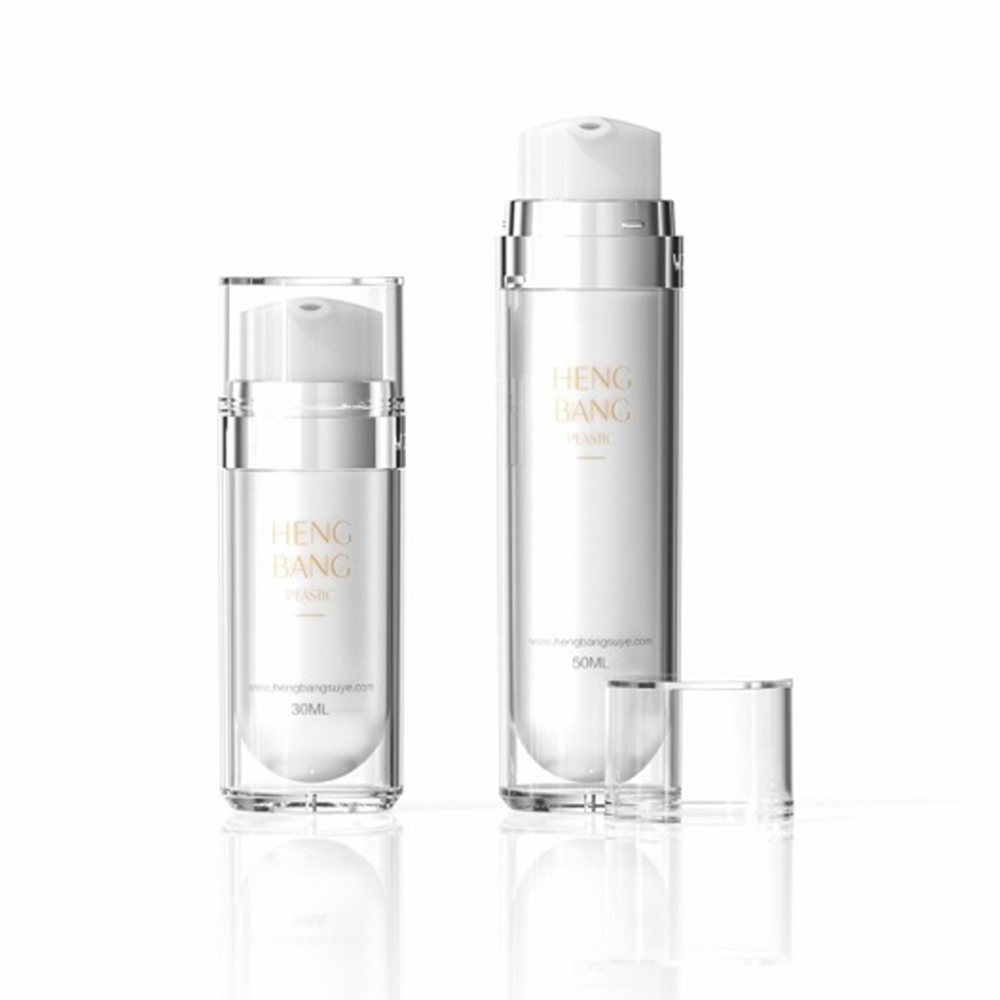
Plastic airless bottles come in various sizes, shapes, and colors. Manufacturers can add labels, embossing, or unique caps to enhance brand appeal. Popular sizes range from 15ml to 200ml, suitable for serums, lotions, creams, and liquid foundations.
Active ingredients like Vitamin C or retinol are highly sensitive to oxygen. Airless bottles significantly reduce oxidation, maintaining product effectiveness for longer periods.
The internal piston allows nearly 100% of the product to be used, unlike standard pump bottles where residue often remains at the bottom.
Consistent dosing ensures that users can apply the right amount every time. This precision increases satisfaction and product efficiency.
Many plastic airless bottles are recyclable. They also allow for smaller product packaging due to efficient dispensing, reducing overall plastic consumption.
Choosing the right plastic is critical for safety and performance. Key considerations include:
| Material | Transparency | Durability | Chemical Resistance |
|---|---|---|---|
| PET | High | Medium | Good |
| PP | Medium | High | Excellent |
| HDPE | Low | High | Good |


Copyright © Yuyao Hengbang Plastic Co., Ltd.
All Rights Reserved.
 Wholesale Plastic Cosmetic Packaging Manufacturers