

 English
 中文简体
中文简体
News

Industry News
Plastic Lotion Containers vs. Glass: A Buy Guide
 2026.07.09
 Industry News
Content
- 1 Material Integrity and Chemical Compatibility
- 2 Total Cost of Ownership and Supply Chain Dynamics
- 3 Environmental Lifecycle Assessment and Circularity
- 4 Design Versatility, Aesthetics, and Dispensing Mechanics
- 5 Risk Management: Breakage, Liabilities, and Factory Efficiency
- 6 Frequently Asked Questions
- 6.1 Do plastic lotion containers cause product degradation over time?
- 6.2 Can I achieve a luxury aesthetic using a plastic lotion bottle?
- 6.3 How do PCR plastic lotion containers compare to virgin plastic containers?
- 6.4 Which dispensing mechanisms work best with rigid plastic lotion containers?
- 6.5 What is the minimum order quantity (MOQ) difference between glass and plastic containers?
Selecting the ideal packaging for skincare formulations requires balancing brand aesthetics, product chemistry, supply chain resilience, and cost efficiency. For high-volume manufacturers and prestige brands alike, the choice between a classic lotion bottle made of glass and modern plastic lotion containers dictates not only the product's shelf life but also the consumer's perception of the brand. While glass has long carried the banner for luxury, advanced polymers have evolved to challenge that dominance on every front, offering unprecedented durability and design flexibility.
The Strategic Verdict: For brands prioritizing cost-efficiency, carbon footprint reduction during transit, and design versatility, high-performance plastic lotion containers (such as PET, PP, and PCR variants) serve as the superior choice. Glass remains highly effective for formulas containing volatile essential oils or aggressive active ingredients that require complete chemical inertness. However, modern polymer engineering allows plastic to match the clarity and weight of glass while drastically reducing breakage rates and shipping overhead.
Material Integrity and Chemical Compatibility
The primary function of any cosmetic container is to preserve the efficacy of the formulation inside. Skincare products frequently contain complex active ingredients, such as retinoids, vitamin C, and various essential oils, which can interact with the packaging material. A standard lotion bottle must act as an absolute barrier against oxygen, UV light, and moisture migration.
Formulations containing high concentrations of pure essential oils can act as solvents on low-grade plastics, leading to container degradation or leaching. Conversely, advanced plastic lotion containers engineered from high-density polyethylene (HDPE) or polypropylene (PP) provide exceptional chemical resistance that rivals glass for most commercial emulsions.
Glass is naturally inert and impermeable, making it an excellent default option for highly reactive formulas. However, it is heavy and brittle. To counter this, top-tier packaging manufacturers utilize multi-layer co-extrusion technology in plastic manufacturing. By layering ethylene vinyl alcohol (EVOH) between layers of polypropylene, modern plastic containers achieve an oxygen barrier rate that extends the shelf life of preservative-free natural lotions up to 24 months, matching the preservation capabilities of amber glass.
Total Cost of Ownership and Supply Chain Dynamics
From a procurement perspective, the true cost of a lotion bottle extends far beyond the initial unit price. The financial impact spans manufacturing energy, freight costs, warehouse space, and secondary packaging requirements. High-value brands must evaluate the total cost of ownership (TCO) when choosing their primary packaging materials.
| Metrics & Factor | Premium Glass Bottles | Advanced Plastic Containers |
|---|---|---|
| Average Unit Cost (500k units) | $0.45 – $0.85 per unit | $0.18 – $0.35 per unit |
| Material Weight (200ml capacity) | 180g – 240g | 25g – 35g |
| Breakage Rate (Transit & Filling) | 1.5% – 3.0% average | Near 0% (<0.01%) |
| Tooling & Molding Costs | High initial investment | Moderate to high (amortized quickly) |
| Secondary Packaging Needs | Requires extensive protective inserts | Standard corrugated boxing sufficient |
The data demonstrates that plastic lotion containers offer a significant weight advantage. A shipment of 100,000 glass bottles adds approximately 21 metric tons of dead weight to a freight container compared to just 3 tons for the equivalent volume in plastic. This weight disparity directly translates to a 40% to 60% reduction in transport-related fuel costs and carbon emissions, making plastics an economically sound choice for distributed global supply chains.
Environmental Lifecycle Assessment and Circularity
Sustainability is no longer a niche marketing angle; it is a core operational metric for high-value cosmetics brands. Consumers actively scrutinize packaging materials, demanding transparency regarding recyclability and carbon footprints. Comparing the environmental impact of glass and plastic requires looking at the entire lifecycle, from raw material extraction to end-of-life processing.
Glass is infinitely recyclable back into pristine glass packaging without loss of quality. However, the melting furnace must operate continuously at temperatures exceeding 1,500°C, which requires immense amounts of energy. On the flip side, manufacturing a lotion bottle from virgin plastic requires significantly less energy upfront, but historical mismanagement of plastic waste has created a significant environmental challenge.
Post-Consumer Recycled (PCR) Plastics
By utilizing up to 100% PCR resins in plastic lotion containers, brands can bypass the virgin petroleum extraction process entirely. PCR plastics reduce greenhouse gas emissions by up to 85% compared to virgin polymers, creating a highly functional circular economy within the beauty industry.
The Glass Recycling Paradox
While glass is theoretically 100% recyclable, actual recycling rates vary wildly by region due to municipal sorting capabilities. Furthermore, the massive weight of glass during collection and regional transport often negates the environmental benefits of using recycled cullet over virgin sand.
Design Versatility, Aesthetics, and Dispensing Mechanics
The visual appeal of a luxury skincare item on a retail shelf or in an e-commerce unboxing video heavily influences repeat purchases. The packaging material dictates the textures, shapes, and dispensing mechanisms available to product designers. A high-end lotion bottle must deliver a premium tactile experience while operating flawlessly.
Glass provides a distinct heft and cool-to-the-touch feel that consumers intuitively associate with luxury. It allows for high-clarity walls and works beautifully with ceramic printing and acid-etching techniques. However, it restricts shapes primarily to symmetrical geometries due to structural cooling requirements during manufacturing.
Conversely, plastic lotion containers excel in architectural freedom. Technologies like injection stretch blow molding (ISBM) allow for ergonomic contours, sharp angles, and ultra-precise neck finishes. This precision is critical for integrating complex dispensing systems, such as:
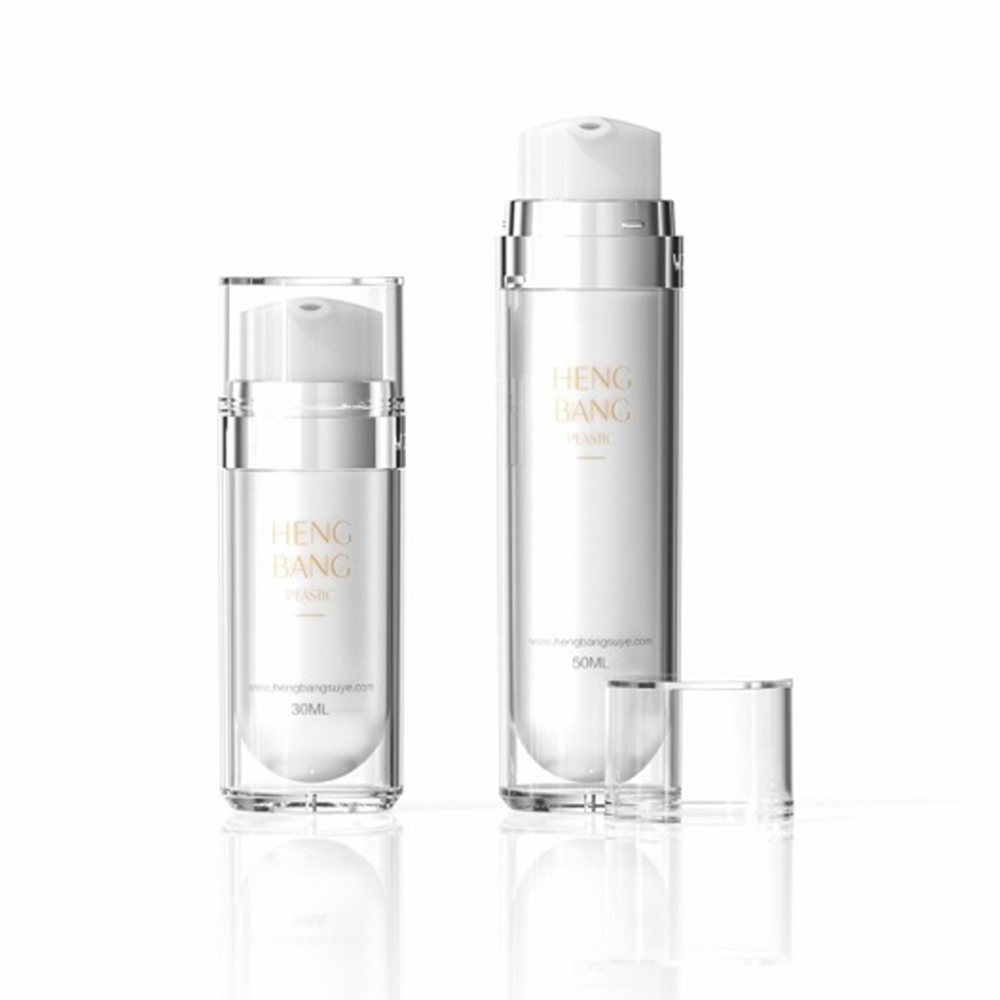
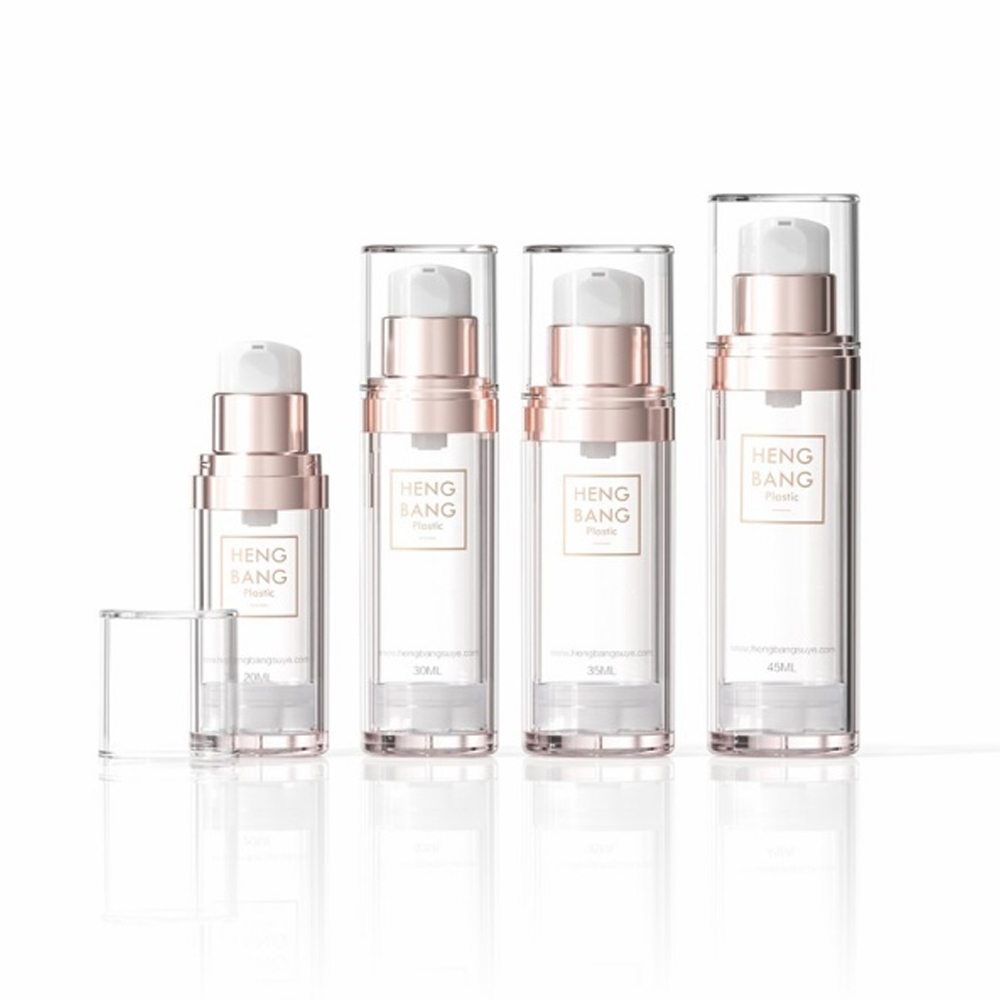
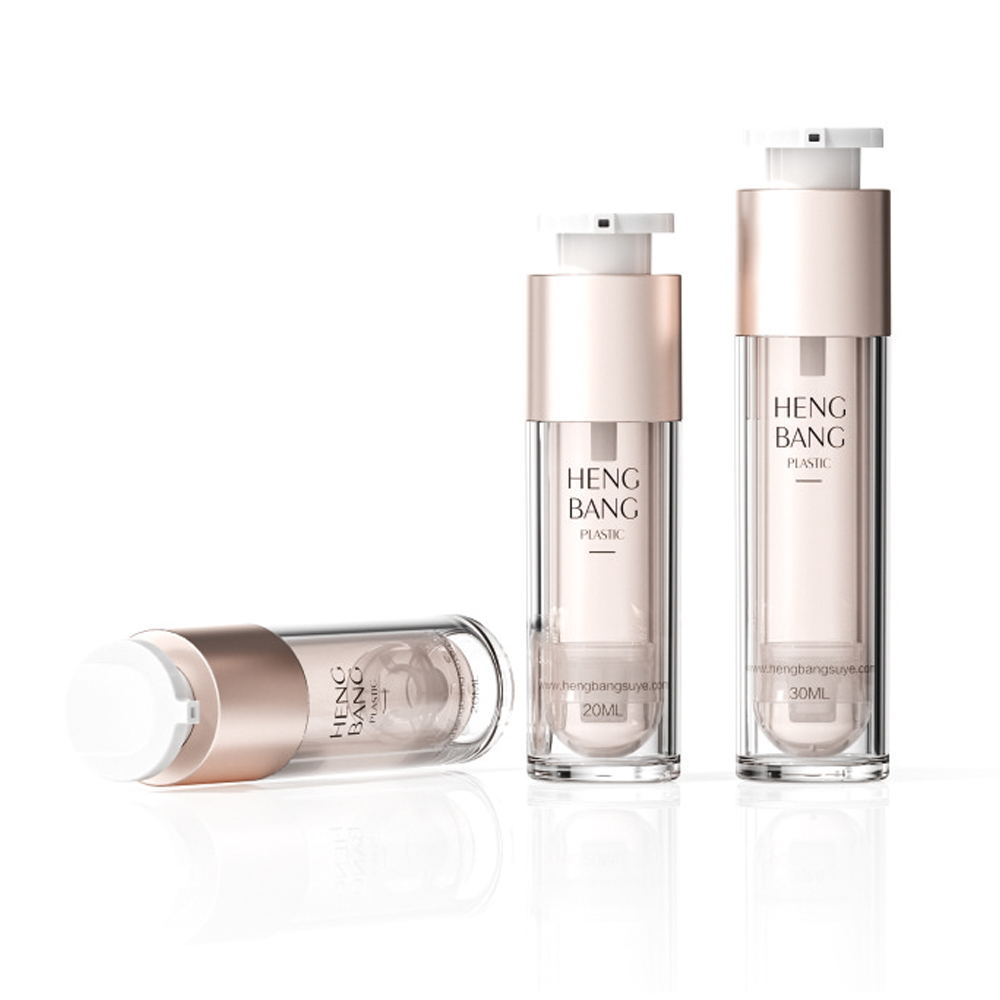
- Airless Pump Systems: Ideal for preservative-free formulas, preventing air backflow and ensuring a 99% evacuation rate of the lotion.
- Toggle and Disc-Top Caps: Cost-effective, single-handed dispensing options perfectly matched to squeezable plastic walls.
- Dual-Chamber Geometries: Allowing two incompatible ingredients to be housed in one unit and mixed only at the moment of application.
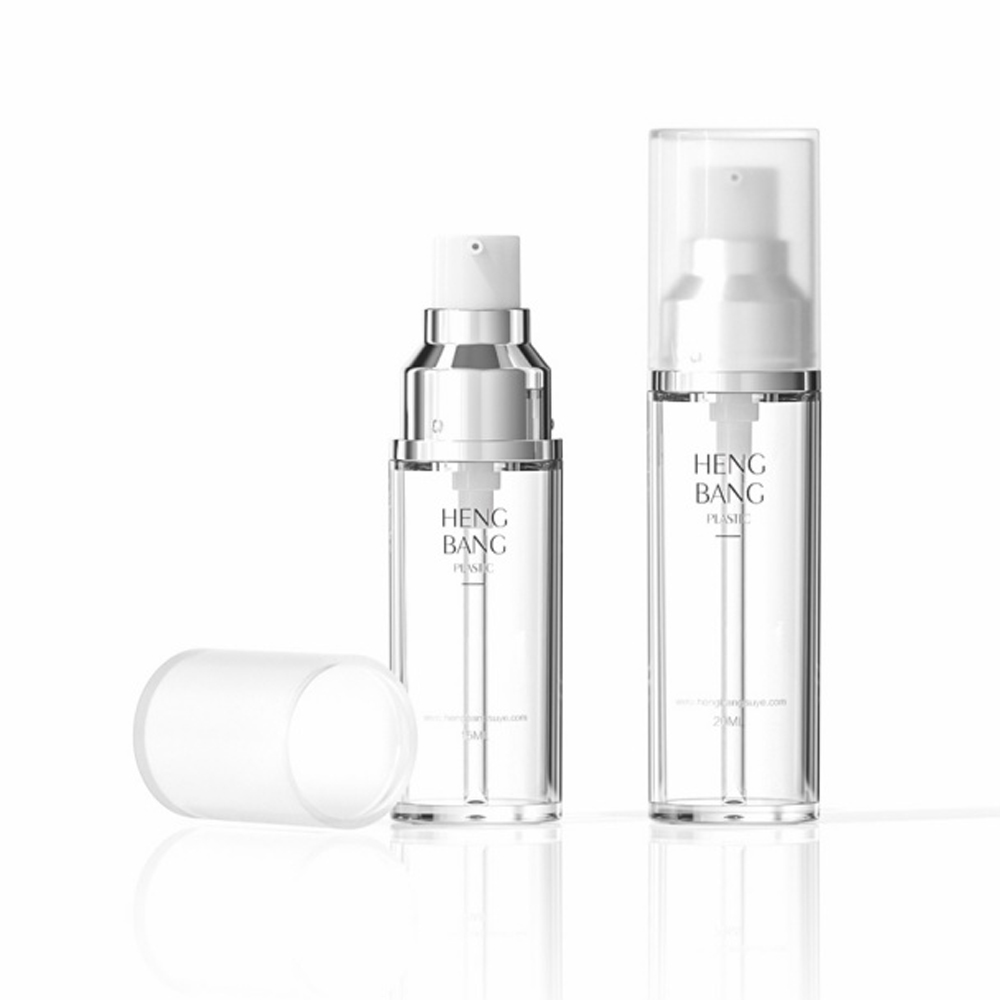
The flexibility of plastics also allows for clear PET containers that mimic the optical clarity of glass, giving brands the luxury aesthetic without the weight or fragility drawbacks.
Risk Management: Breakage, Liabilities, and Factory Efficiency
On high-speed filling lines, operational downtime cuts directly into profitability. Glass lines require meticulous speed control, sound-dampening modifications, and constant monitoring for micro-cracks or shattering. A single shattered bottle can contaminate an entire batch of product and halt production for hours for deep cleaning.
Integrating plastic lotion containers into the manufacturing workflow significantly reduces operational risks. Plastics tolerate high-velocity gripping, capping torques, and accidental drops without compromising structural integrity. This resilience extends beyond the factory floor into the consumer's home, particularly in environments like tiled bathrooms where dropping a glass bottle creates a genuine safety hazard.
Frequently Asked Questions
Do plastic lotion containers cause product degradation over time?
High-quality plastics like PP, HDPE, and PET are highly stable and designed specifically for cosmetic compatibility. However, for formulations containing highly volatile essential oils or active acids, testing compatibility is vital to ensure no migration or minor leaching occurs over extended storage periods.
Can I achieve a luxury aesthetic using a plastic lotion bottle?
Yes, heavy-wall PET and acrylic containers closely replicate the optical clarity, light refraction, and substantial weight of glass. When combined with premium decoration techniques like hot stamping, metallization, or soft-touch matte coatings, plastic containers can effectively match luxury market expectations.
How do PCR plastic lotion containers compare to virgin plastic containers?
Mechanically, PCR plastic containers perform nearly identically to virgin plastics regarding tensile strength and seal integrity. Visually, high-percentage PCR may exhibit very slight color variations or tiny specks, which many modern brands highlight as proof of authentic environmental sustainability.
Which dispensing mechanisms work best with rigid plastic lotion containers?
Rigid plastics are ideal for airless pumps, traditional lotion pumps, and trigger sprayers because the container walls do not need to deform to dispense the product. For formulas that require a squeezable container, lower-density plastics like LDPE or flexible PP are preferred.
What is the minimum order quantity (MOQ) difference between glass and plastic containers?
Generally, standard plastic containers have lower MOQs (often starting around 5,000 to 10,000 units for stock shapes) compared to custom glass molds, which frequently require minimum runs of 20,000 to 50,000 units due to the energy costs required to fire up glass furnaces.
QUICK
Product Categories
Contact
-
[email protected]

-
+ 86 - 18858081323

-
+ 86 - 574 - 62422802

-
+ 86 - 18858081323

-
No.7 Zhenbei Road, Mazhu Town, Yuyao City, Zhejiang Province, China.

Let’S Co-Create A High-Quality
Future For Cosmetics Packaging.
Copyright © Yuyao Hengbang Plastic Co., Ltd.
All Rights Reserved.
 Wholesale Plastic Cosmetic Packaging Manufacturers