Your formula has passed stability tests, the preservative system has been verified, and the fragrance is approved. Now the container, the most visible part of your product, needs a manufacturer that can protect the formula, support your brand image, and deliver at scale. Cosmetic containers are not commodity packaging: an airless bottle with poor piston tolerance drips, a cream jar molded from the wrong material crazes under UV light, and a pump that fails on the thirtieth use destroys consumer trust. Understanding what cosmetic container manufacturers actually do, and how to evaluate their capabilities, keeps those risks under control.
What a Professional Cosmetic Container Manufacturer Must Be Able To Do
Not every plastics factory that produces bottles and jars is qualified for cosmetics work. Cosmetic packaging demands tighter dimensional control, higher aesthetic standards, and deeper material knowledge than household or industrial packaging. The capabilities below separate a genuine cosmetics packaging manufacturer from a general-purpose molder.
Formula-aware engineering support. A serious manufacturer asks about viscosity, oil content, oxygen sensitivity, and filling temperature before recommending a container system. An oxygen-sensitive serum belongs in an airless bottle; a high-oil balm needs a jar with a compatible sealing surface and a closure that resists oil wicking.
Precision on mating components. In an airless bottle, the piston must slide smoothly while keeping full contact with the inner wall, so nearly all of the product is evacuated. In a lotion pump, the ball valve must seat correctly every time. These behaviors depend on tight tolerance control in the mold, plus inspection routines that catch drift before it reaches your filling line.
Decoration and finishing competence. Cosmetic packaging is judged by its visual impression. The manufacturer should control gloss levels, reproduce brand colors consistently, and handle screen printing, hot stamping, spray coating, or UV coating without surface defects or adhesion failures.
In-house mold engineering. A manufacturer that designs, builds, and repairs its own molds corrects problems faster and shortens the development cycle. Tooling knowledge also prevents common injection defects such as sink marks, weld lines, and warping before the first sample is produced.
Clean handling and contamination control. Containers that arrive at your filling line covered in dust or carrying surface scratches create rework and consumer complaints. A professional factory controls its packing and warehousing conditions so that containers remain clean through transit.
These capabilities do not appear automatically. Yuyao Hengbang Plastic Co., Ltd., for instance, operates a 35,000 sq m facility with more than 300 employees in Yuyao, Zhejiang, and holds ISO 9001:2015 as well as ISO 14001:2015 certification. That combination of scale, headcount, and management certification offers a useful reference point when you compare supplier claims.
Key Packaging Technologies to Evaluate
Dedicated cosmetics packaging suppliers distinguish themselves by the container systems they can produce in-house. When comparing cosmetic container manufacturers, verify mastery of these mainstream packaging families:
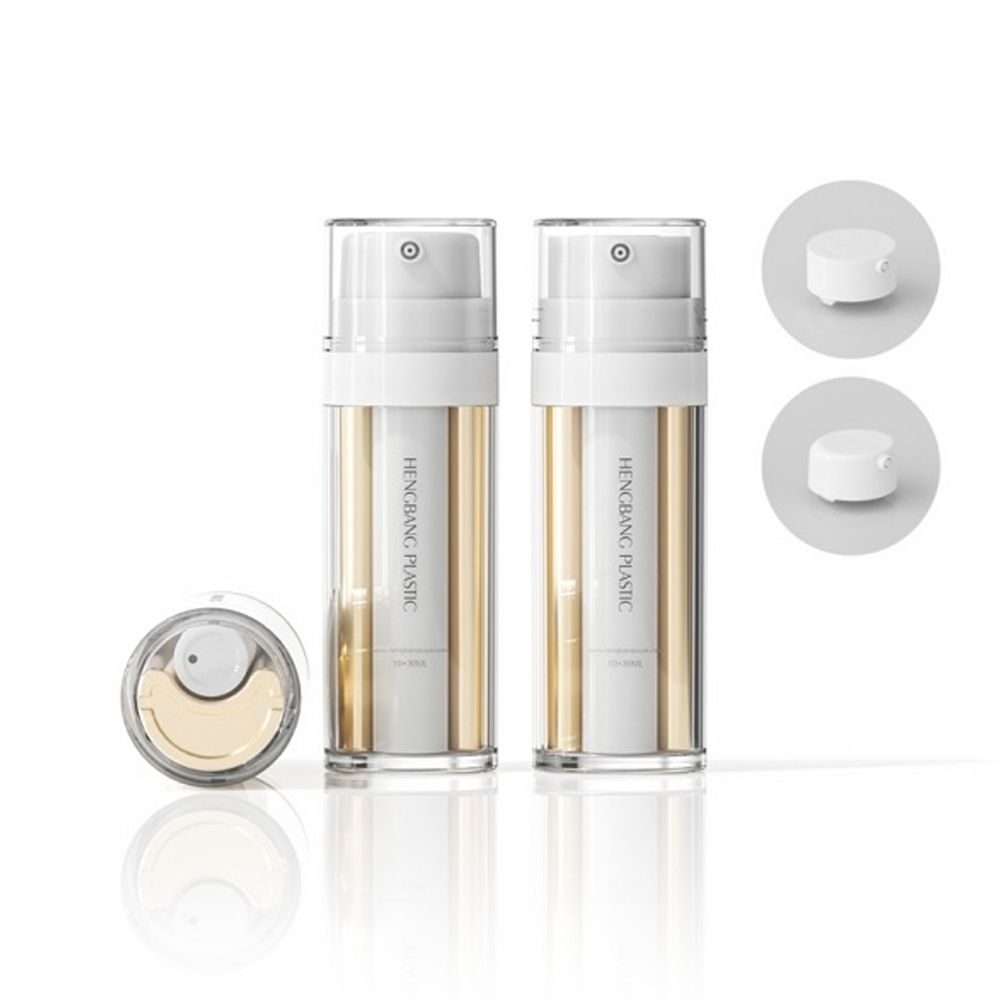
Airless pump bottles. A piston rises from the bottom of the container, expelling product without letting air return. This design protects oxygen-sensitive actives and maximizes evacuation. It is the standard choice for premium serums, foundations, and emulsions.
Multi-chamber bottles. Two or three independent chambers keep incompatible formulas separate until the moment of dispensing. A double-chamber bottle can deliver a cream and a serum in a fixed ratio from a single pump, which suits two-step treatment products and color cosmetics.
Refillable containers. A durable outer shell with a replaceable inner unit reduces packaging waste and encourages repurchase. Refillable airless bottles and cream jars are expected in European and Asian markets, so your manufacturer should be able to produce both the outer shell and the refill cartridge to accurate tolerances.
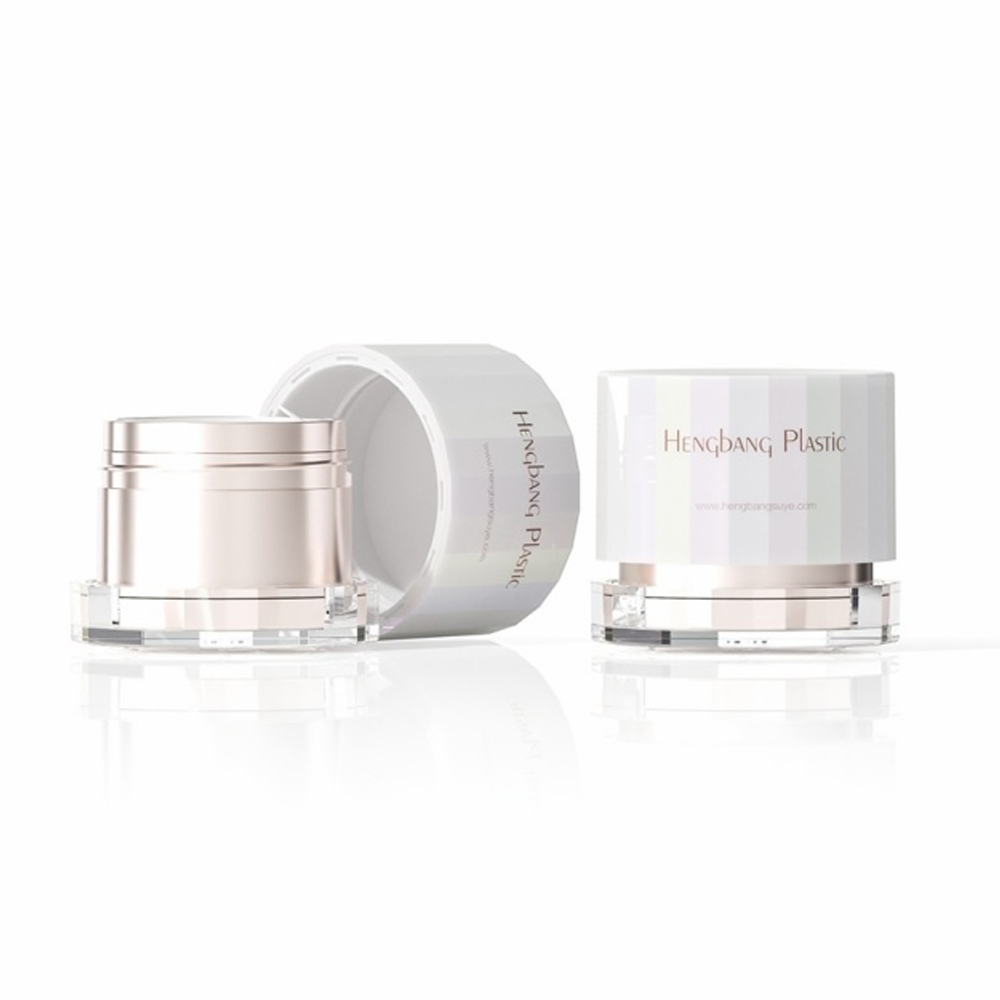
Double-wall acrylic jars. Acrylic provides a clear, glass-like finish with lower weight and better impact resistance. The double-wall construction creates a thick, premium look while limiting material usage, ideal for body creams and face masks.
The table below matches these packaging systems to typical product categories.
Common cosmetic packaging systems and their typical applications
Packaging system
Best suited for
Main benefit
Common materials
Airless pump bottle
Serums, foundations, oxygen-sensitive creams
Full evacuation and air-free dispensing
PP, PETG, acrylic
Multi-chamber bottle
Two- or three-phase treatment products
Keeps ingredients isolated until use
PP, PE, PETG
PETG lotion bottle
Lotions, body milk, gentle cleansers
Glass-like clarity with lighter weight
PETG
Double-wall acrylic jar
Premium creams, balms, masks
Thick premium appearance, lower plastic usage
Acrylic (PMMA)
Squeeze sunscreen bottle
Sunscreens, body lotions
Simple controlled dispensing
PE, PP
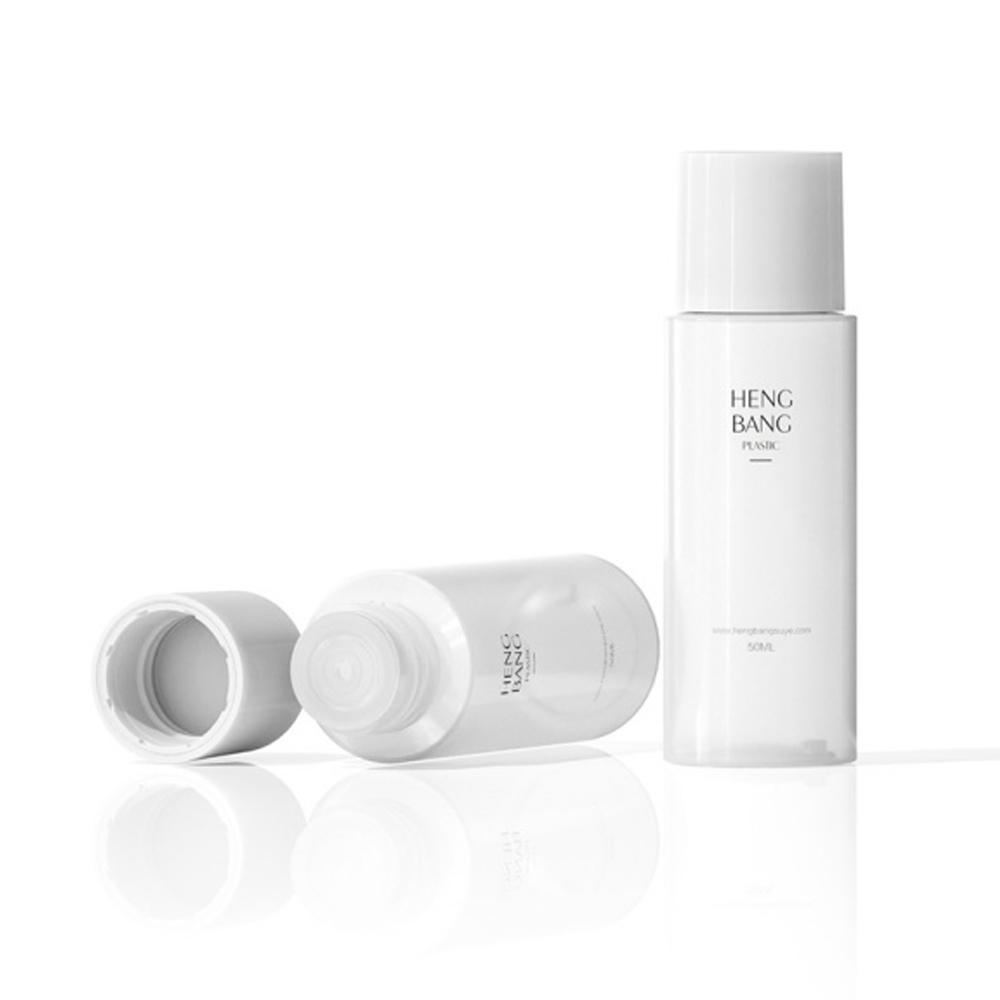
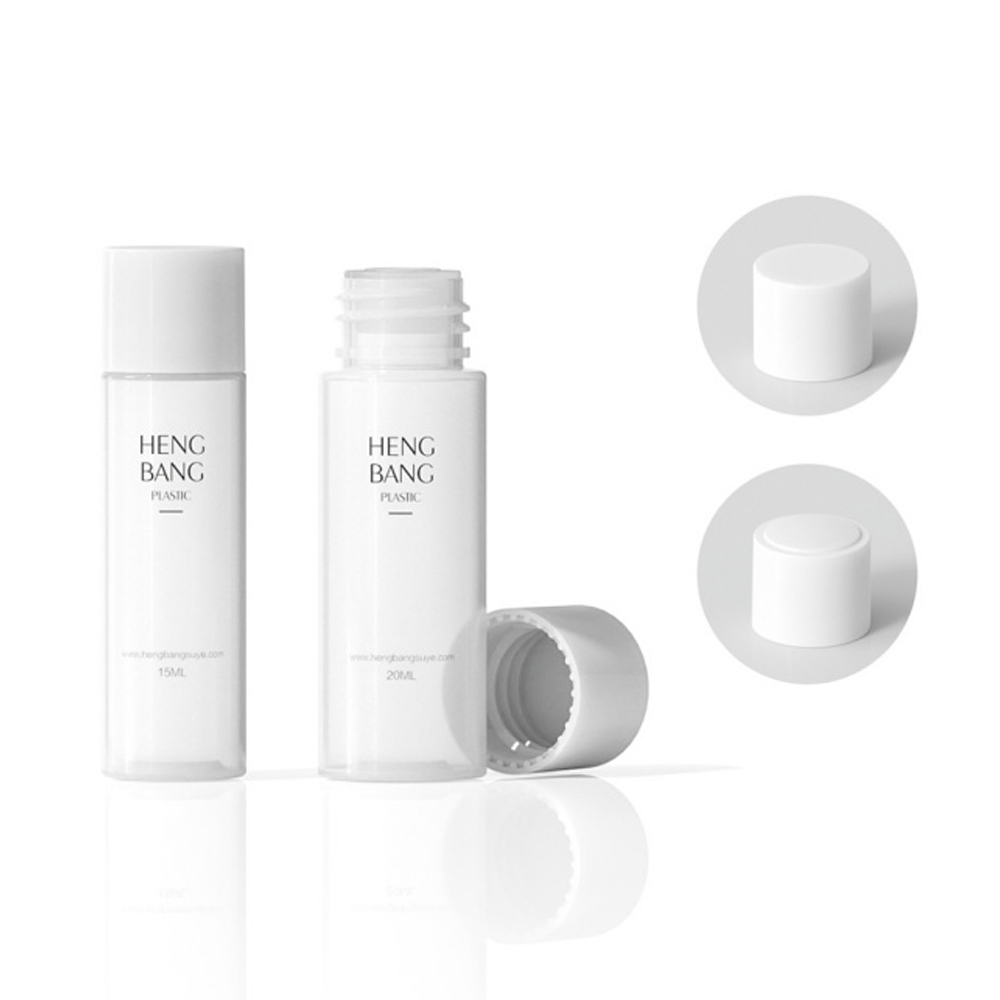
Toner bottle
Toners, micellar waters, facial mists
Lightweight, clear, and easy to grip
PET, PETG
How a Custom Container Project Proceeds
A custom container project follows the same logical milestones at almost every competent manufacturer. What differs between suppliers is the discipline at each step. Use this sequence as a benchmark when you evaluate a manufacturer's process:
Concept and specification freeze. Target volume, fill weight, closure style, decoration requirements, and formula constraints are documented. The supplier decides whether a standard mold or a custom mold is appropriate.
Mold design and feasibility review. Wall-thickness distribution, ejection method, and cooling circuit are reviewed to prevent warping, sink marks, and flow marks before the tool is cut.
First-article sampling. The first molded samples undergo dimensional measurement, decoration trials, and compatibility testing with your intended formula.
Tool adjustment and surface finishing. Deviations are corrected, the cavity texture or polish is finalized, and the mold is hardened for longer production runs.
Pilot production and first-article inspection. A short run at production speed verifies cycle time, yield, and packing quality. Your quality team signs off samples before serial production begins.
Serial production and in-process inspection. Key dimensions and visual criteria are checked at defined intervals, and each batch is traceable back to its raw material lot.
Sourcing Risks Every Brand Owner Should Manage
Container sourcing problems rarely arrive as a single dramatic failure. They accumulate from unclear specifications, missing documentation, and incorrect assumptions. The following risks deserve attention in every supplier evaluation.
Mold ownership ambiguity. When you pay for custom tooling, the mold should be yours. Confirm that the contract states your ownership of the tool and your right to transfer it if you change manufacturers.
Quality drift after sample approval. First articles look beautiful, but serial production runs on faster cycles with different operators. Agree on the inspection plan, the sampling standard, and the rejected defect limits before mass production starts.
Decoration incompatibility. Screen printing ink may not adhere to certain polyolefin materials without surface treatment. Verify that the finishing method and the container substrate are compatible before you commit to a decoration design.
Overly optimistic lead times. A four-to-six-week mold fabrication quote often excludes sampling and adjustment rounds. Ask for the end-to-end lead time from specification freeze to approved samples, not just individual process steps.
Incomplete regulatory documentation. Exporting to the EU or the United States requires material declarations, migration test reports, and sometimes recyclability documentation. A manufacturer with a documented quality system provides those documents without delaying shipment.
Building an RFQ That Produces Accurate Answers
The quality of a quotation depends on the quality of the request. Cosmetic container manufacturers can provide precise pricing and a reliable development timeline only when the specification is complete. Include the following points in every request for quotation:
Container volume and target dimensions. State the nominal fill volume and the overall height and diameter limits, including the closure.
Formula characteristics. Note the product phase, viscosity range, oil content, pH, and whether the formula is oxygen- or light-sensitive. This determines the pump type, material selection, and airless requirements.
Filling and assembly method. Indicate whether filling is manual, semi-automatic, or fully automatic and at what line speed. The container's dimensional tolerances must match your equipment.
Decoration and branding requirements. List the printing technology, number of colors, coating, desired gloss level, and any color matching standard.
Regulatory and documentation needs. Specify target markets and any required compliance documents, such as REACH declarations, FDA material conformity, or recyclability information.
Annual volume and budget target. Realistic volume forecasts allow the manufacturer to recommend the most cost-effective mold solution and production process.
The most reliable way to qualify a cosmetic container manufacturer is to ask how it would solve the problems your product actually presents: the formula you package, the shelf life you promise, the markets you sell into, and the volume you need. The depth of the answers tells you more than any brochure. A manufacturer with in-house mold engineering, certified quality management, and genuine experience in airless and refillable systems can turn a good formula into a product that consumers trust. That is the partner worth choosing.


 English
 中文简体


 2026.10.22
 Industry News
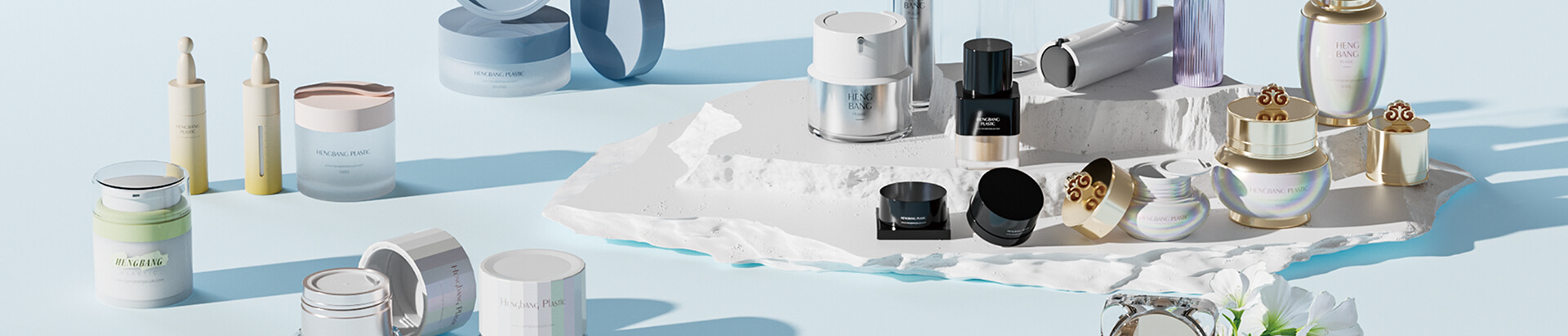


 Wholesale Plastic Cosmetic Packaging Manufacturers