

 English
 中文简体
中文简体
News

Industry News
PETG Toner Bottle Performance: Material Comparison & Selection Guide
 2026.07.23
 Industry News
Content
- 1 Evaluating Material Integrity in Modern Skincare Packaging
- 2 Molecular Composition and Mechanical Resilience
- 3 Comparative Analysis of Container Substrates
- 4 Formulation Compatibility and Chemical Resistance
- 5 Manufacturing Precision and Design Flexibility
- 6 Frequently Asked Questions
- 6.1 What distinguishes a PETG toner bottle from a standard PET container?
- 6.2 Can a PETG toner bottle safely store acid-based exfoliating solutions?
- 6.3 Does PETG material protect skincare formulas from UV light degradation?
- 6.4 How does packaging weight impact international freight costs for cosmetics?
- 6.5 Are these cosmetic containers compatible with standard dispensing closures?
Evaluating Material Integrity in Modern Skincare Packaging
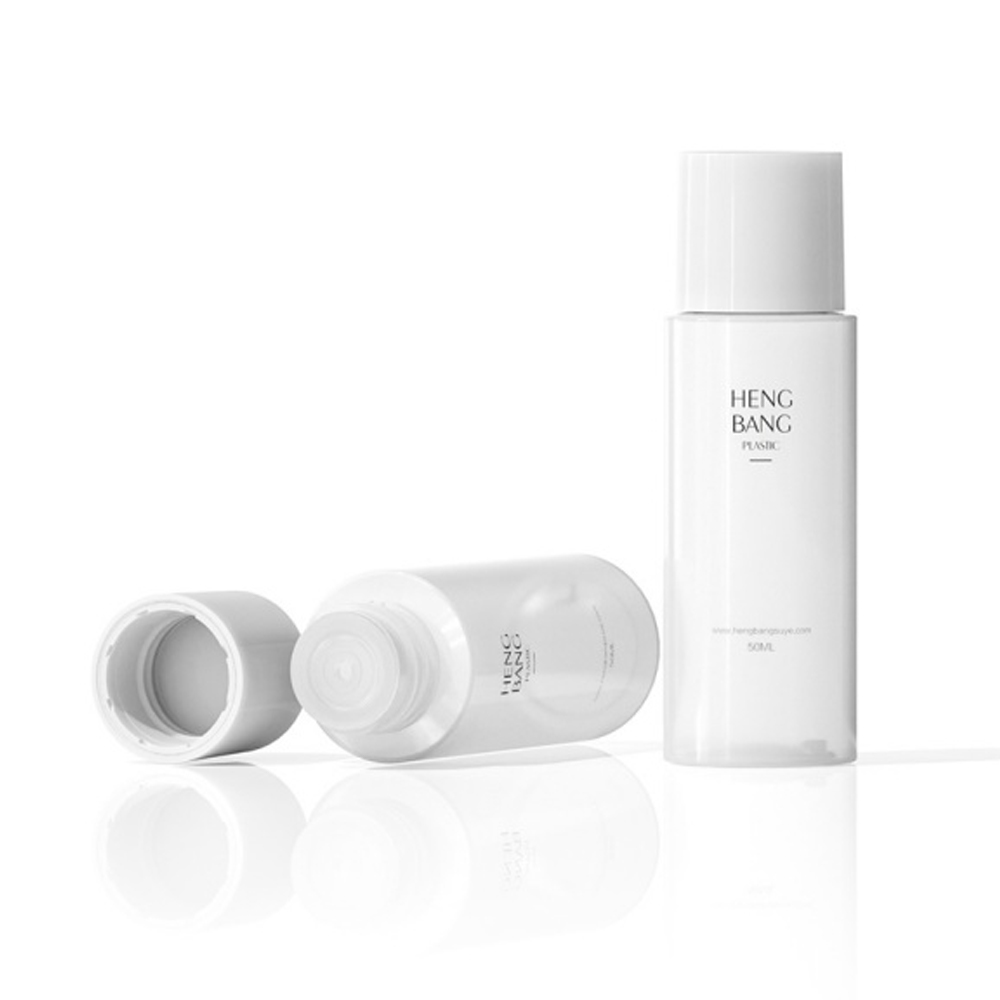
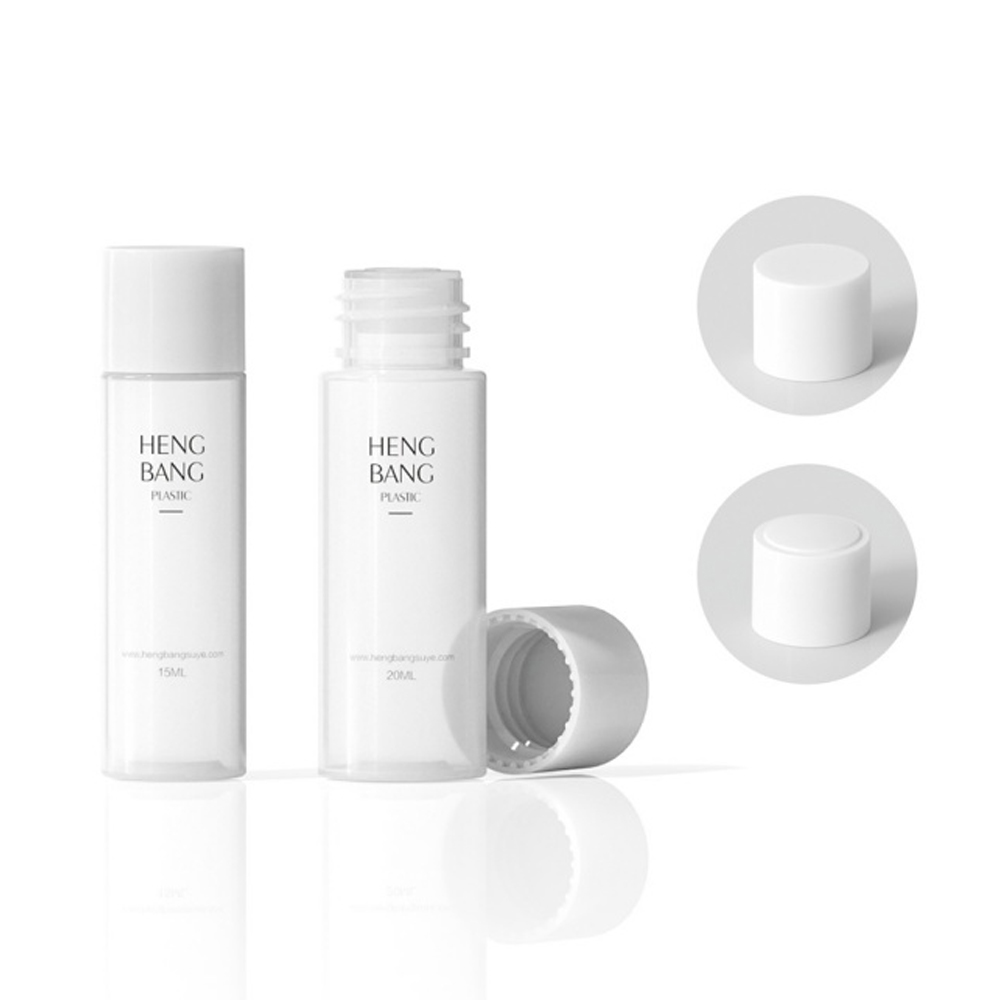
Selecting the optimal container for facial toners, essences, and liquid exfoliants requires balancing aesthetic elegance with strict functional performance. A PETG toner bottle delivers exceptional impact resistance, crystal-clear transparency, and structural resilience, positioning it as a leading choice for premium cosmetic formulations. Unlike standard thermoplastic options that fracture under mechanical stress, glycol-modified polyester provides a reliable framework for demanding supply chains and sophisticated retail environments.
Molecular Composition and Mechanical Resilience
The core structural advantage of a PETG toner bottle stems from the incorporation of glycol during the polymerization process. Standard polyethylene terephthalate often exhibits brittleness in thick-walled formats, whereas the modified molecular chains prevent crystallization, yielding a tougher, slightly flexible substrate. This structural modification directly influences drop-test survivability on hard surfaces during transit and consumer handling.
In comparative drop-testing protocols simulating a 1.5-meter fall onto concrete, standard acrylic containers show a failure rate exceeding 45 percent due to shattering, while containers fashioned from glycol-modified polyester maintain structural integrity with zero catastrophic cracking. This resilience drastically reduces shipping loss ratios and minimizes product returns for high-volume cosmetic distributors.
"Material optimization in liquid skincare packaging dictates that impact resistance must never compromise optical clarity. Glycol modification achieves this balance, offering the transparency of glass with the safety profile of engineering polymers."
Comparative Analysis of Container Substrates
Evaluating packaging materials across various technical metrics assists procurement specialists in aligning container specifications with product viscosities, active ingredient profiles, and target price points.
| Performance Metric | PETG Toner Bottle | Standard PET Container | Borosilicate Glass |
|---|---|---|---|
| Notched Izod Impact | 2.0 - 3.0 ft-lb/in | 0.4 - 0.6 ft-lb/in | Extremely Low (Fragile) |
| Light Transmission | 85% - 88% | 90% - 92% | 90% - 95% |
| Specific Gravity | 1.27 | 1.34 | 2.23 - 2.50 |
| Chemical Resistance | High (Diluted Acids/Alcohols) | Moderate | Absolute (Inert) |
| Relative Shipping Cost | Optimized (Lightweight) | Low | High (Weight Penalty) |
Formulation Compatibility and Chemical Resistance
Toners often feature complex chemical matrices containing active ingredients such as glycolic acid, salicylic acid, botanical extracts, and lower-chain alcohols. Selecting a PETG toner bottle requires cross-referencing the specific formulation parameters against the polymer's chemical tolerance thresholds.
Key compatibility factors include:
- Acid Concentration: Tolerates mild to moderate organic acids up to specified pH limits without inducing stress-corrosion cracking.
- Alcohol Content: Accommodates standard cosmetic alcohol percentages, though high-purity solvent solutions exceeding 70 concentration levels require thorough batch testing.
- Essential Oil Interaction: Certain volatile organic compounds and concentrated fragrance oils can permeate amorphous polyesters over extended storage periods, necessitating barrier evaluation.
Manufacturing Precision and Design Flexibility
The manufacturing versatility of glycol-modified polymers allows industrial designers to execute complex geometries that are unachievable with rigid glass or brittle acrylics. Injection blow molding and stretch blow molding processes yield uniform wall thicknesses, sharp internal neck finishes, and seamless exterior surfaces.
Furthermore, a PETG toner bottle accepts various secondary decoration techniques with high fidelity. Hot stamping, silk-screen printing, and metallic UV coating adhere effectively to the low-shrinkage surface matrix, ensuring brand typography and measurement markings remain pristine throughout the lifecycle of the cosmetic product.
Frequently Asked Questions
What distinguishes a PETG toner bottle from a standard PET container?
The primary difference lies in the addition of glycol during polymerization. This modification eliminates brittleness, increases impact strength, and allows for heavier wall sections without clouding or cracking.
Can a PETG toner bottle safely store acid-based exfoliating solutions?
Yes, provided the acid concentration remains within standard cosmetic ranges (typically under 10% for AHAs/BHAs). Highly concentrated industrial acids or harsh organic solvents are incompatible and require specialized alternatives like HDPE.
Does PETG material protect skincare formulas from UV light degradation?
Unmodified PETG features high transparency and does not inherently block ultraviolet rays. For light-sensitive formulations, manufacturers incorporate specialized UV-inhibiting colorants or masterbatch additives during the molding phase.
How does packaging weight impact international freight costs for cosmetics?
Glycol-modified polyester containers weigh approximately 70% less than equivalent glass receptacles. This substantial weight reduction directly decreases carbon emissions and freight overhead during bulk transport.
Are these cosmetic containers compatible with standard dispensing closures?
Yes, neck finishes are manufactured to standardized global dimensions (such as 24/410 or 20/410), ensuring seamless compatibility with standard pump dispensers, fine-mist sprayers, and screw caps.
QUICK
Product Categories
Contact
-
[email protected]

-
+ 86 - 18858081323

-
+ 86 - 574 - 62422802

-
+ 86 - 18858081323

-
No.7 Zhenbei Road, Mazhu Town, Yuyao City, Zhejiang Province, China.

Let’S Co-Create A High-Quality
Future For Cosmetics Packaging.
Copyright © Yuyao Hengbang Plastic Co., Ltd.
All Rights Reserved.
 Wholesale Plastic Cosmetic Packaging Manufacturers