English
 中文简体
中文简体


An airless bottle is the better choice for formulas containing active, oxygen-sensitive ingredients — think vitamin C serums, retinol treatments, peptides, or preservative-free natural formulations — while a standard pump bottle remains the more practical option for everyday lotions, gels, and cleansers where cost, simplicity, and fast production timelines matter more than air exposure. The right answer depends less on which packaging is "better" overall and more on what's inside the bottle, how the brand is positioned, and what budget and lead-time constraints the business is working with.
Both formats look similar at a glance and sit side by side on the same shelf, but they work in fundamentally different ways, and that difference has real consequences for product stability, shelf life, cost, and customer experience.
How Each Bottle Type Actually Works
A pump bottle uses a dip tube — a thin plastic straw that extends from the pump mechanism down to the bottom of the bottle. Pressing the pump creates suction that draws product up through the tube and out through the nozzle. As product is dispensed, air flows in to replace the volume that's been used, which means every pump introduces a small amount of air into the container.
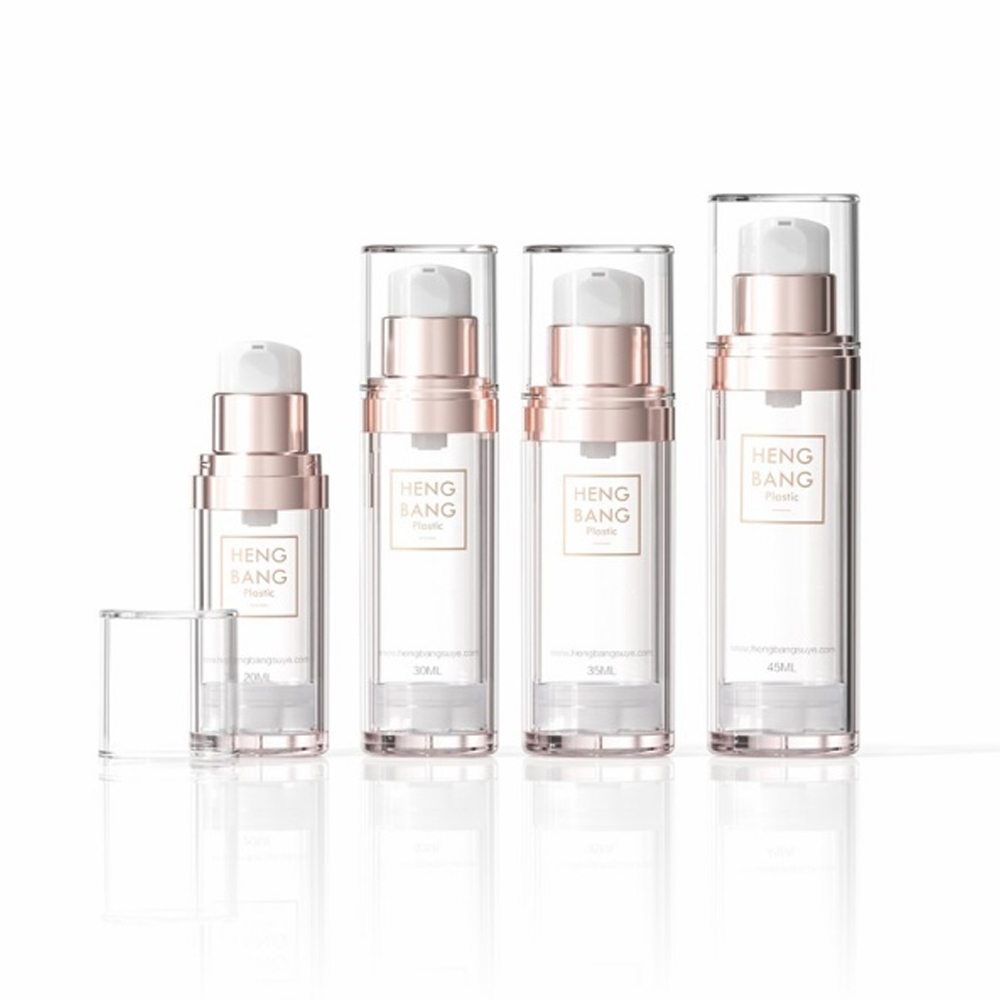
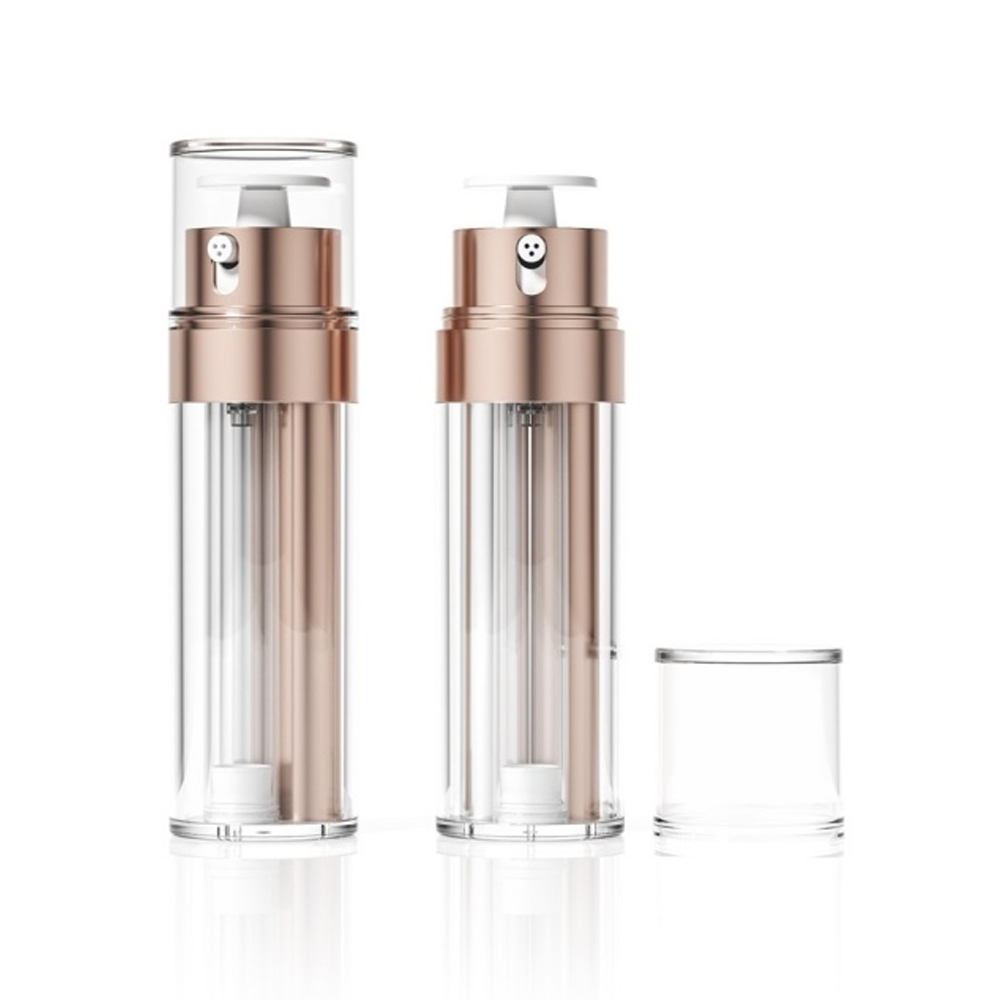
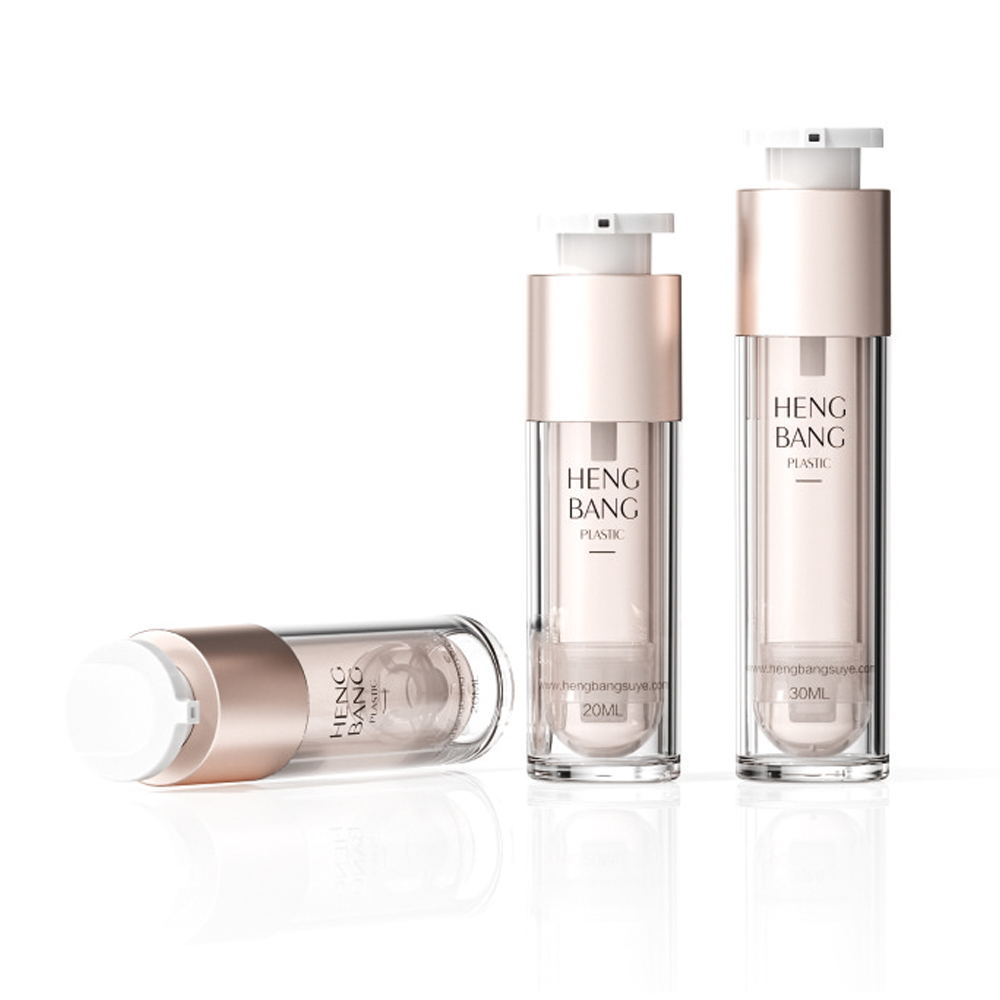
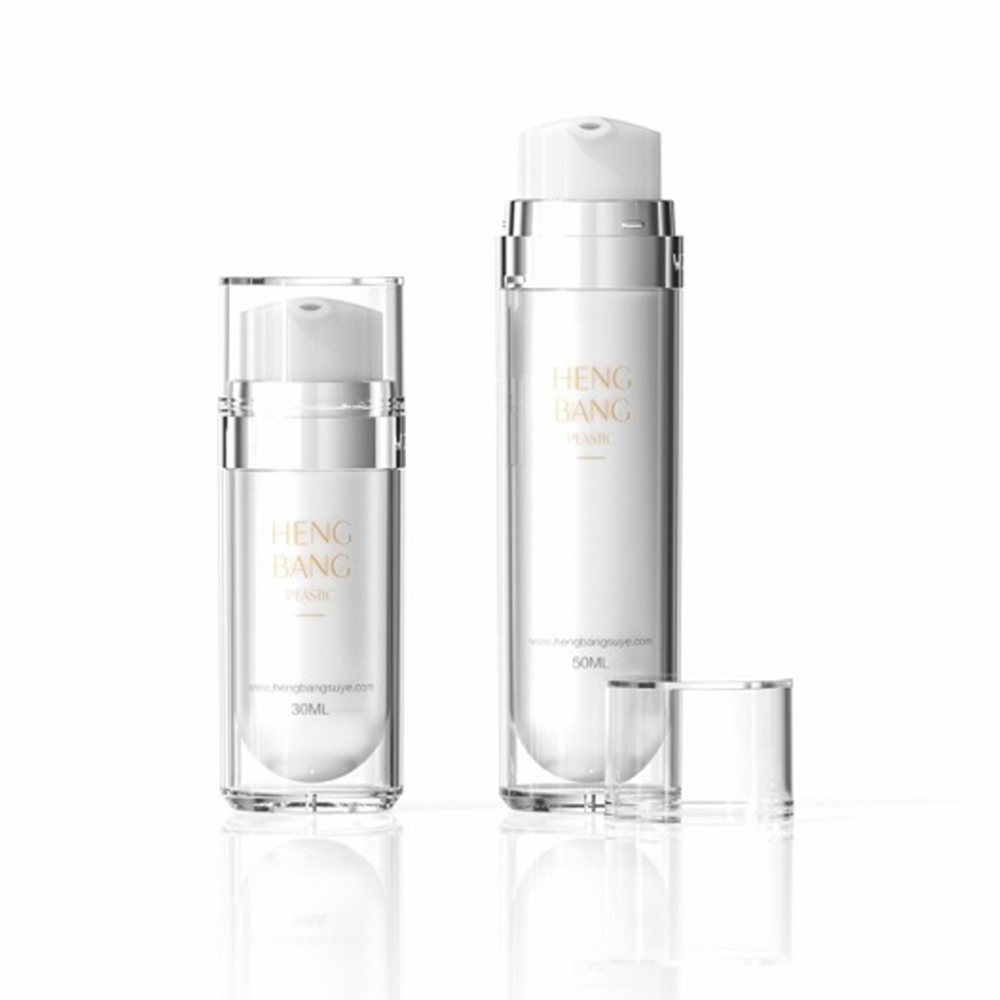
An airless bottle eliminates the dip tube entirely. Instead, it relies on a vacuum piston (or in some designs, a diaphragm) sealed at the base of the container. Each press moves the piston upward, physically pushing the product toward the nozzle without ever allowing outside air to enter the chamber. As the product level drops, the piston rises to fill the empty space, so the container never contains a pocket of air above the formula — even when it's nearly empty.
This mechanical difference is the root of almost every other distinction between the two packaging types.
Product Protection and Shelf Life
This is where airless packaging earns its reputation. Because pump bottles allow air to enter the container with every use, oxygen gradually comes into contact with the formula over the product's lifespan. For water-based or preservative-heavy formulas, this exposure is manageable. But for formulations built around actives that oxidize easily — vitamin C, retinoids, certain peptides, and many plant-based antioxidants — repeated air exposure accelerates degradation, which can shorten effective shelf life and reduce the potency of the very ingredients the product is marketed on.
Airless packaging has been shown to meaningfully extend shelf life for sensitive formulations, with some industry estimates putting the improvement at roughly 15% or more compared to identical formulas packaged in standard pump or jar containers. For brands investing heavily in high-concentration actives, that shelf-life improvement directly protects both product efficacy and the marketing claims built around it.
Pump bottles remain perfectly suitable for formulas that aren't air-sensitive to begin with — body lotions, hand creams, shampoos, and cleansing gels typically don't require airless protection, since their formulations are more stable and often less costly per unit to reformulate if minor degradation does occur.
Hygiene and Contamination Risk
Airless systems also reduce contact contamination. Because the product isn't exposed to air or, in many designs, to the user's fingers, there's less opportunity for bacteria to enter the formula — a meaningful advantage for preservative-free or low-preservative formulations that rely on packaging design, rather than chemical preservatives, to stay stable.
Pump bottles, while still more hygienic than open jars, do allow some air (and by extension, ambient contaminants) into the container over the product's life cycle. For most standard cosmetic formulations with a conventional preservative system, this isn't a significant issue. But for "clean beauty" or minimal-preservative product lines, it's a real consideration that affects both product safety and the marketing claims a brand can responsibly make.
Waste Reduction and Product Usability
One practical complaint about pump bottles is that a meaningful amount of product often gets stranded at the bottom of the container, out of reach of the dip tube, especially with thicker formulas like creams and serums. Airless systems solve this directly: because the piston physically pushes the entire remaining volume upward, airless bottles typically dispense a higher percentage of the total fill — often cited as up to 100% usable product versus noticeably less in a standard dip-tube pump, particularly with viscous formulations.
For premium-priced serums and treatments where every milliliter matters to the customer's perceived value, this difference is more than cosmetic — it's a tangible part of the product experience and a common source of customer complaints when it goes the other way.
| Comparison Point | Pump Bottle | Airless Bottle |
|---|---|---|
| Mechanism | Dip tube + suction | Vacuum piston, no dip tube |
| Air exposure | Air enters with each use | No air enters container |
| Best for | Lotions, gels, cleansers, shampoos | Serums, actives, preservative-free formulas |
| Product waste | Some residual product often trapped | Minimal residual product |
| Typical cost | Lower unit cost | Higher unit cost |
| Production lead time | Shorter | Generally longer |
| Minimum order quantity | Typically lower | Often higher |
Cost and Production Considerations
Pump bottles are simpler to manufacture, which keeps unit costs lower and makes them the practical default for startups and small skincare brands working with tighter budgets. For a brand still validating a formula or building initial market traction, a pump bottle allows more of the budget to go toward product development, marketing, or larger initial order volumes rather than premium packaging.
Airless bottles cost more per unit due to the added piston mechanism and tighter manufacturing tolerances required to maintain the vacuum seal. Minimum order quantities also tend to run higher than for standard pump bottles, and production lead times are often longer because of the additional components and quality control needed to ensure the piston mechanism functions reliably across the full product life. For an established or premium-positioned brand, this additional cost is frequently justified by the combination of better product protection, less waste, and the perceived value that airless packaging carries with consumers — the visible weight and construction of an airless bottle often reads as more premium on the shelf, independent of what's actually inside.
Brand Positioning and Customer Perception
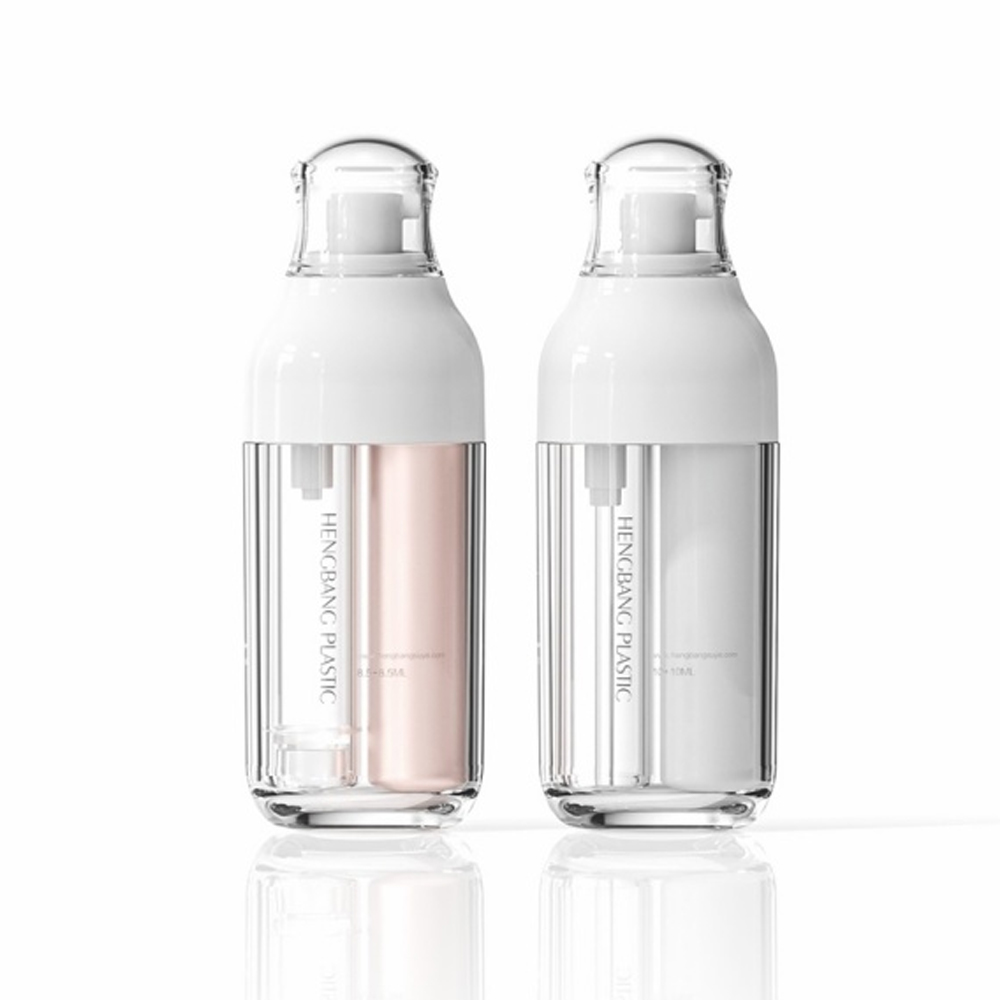
Packaging choice isn't only a technical decision — it communicates something to the customer before they've even opened the bottle. Airless bottles, with their double-wall construction and mechanical precision, tend to signal a premium, science-forward product positioning. This makes them a natural fit for anti-aging treatments, high-concentration actives, and brands competing in the prestige or clinical skincare segment.
Pump bottles carry a more familiar, accessible feel. They're well suited to everyday care products — body lotions, daily cleansers, haircare — where the customer's expectation is convenience and value rather than a premium unboxing experience. Using an airless bottle for a product that doesn't need one can actually work against a brand by inflating cost without a corresponding improvement the customer will notice or care about.
Matching Packaging to Formula and Business Stage
A practical way to decide is to work through a short set of questions rather than defaulting to whichever packaging looks more premium.
Does the formula contain oxygen-sensitive actives — vitamin C, retinol, peptides, or botanical antioxidants known to degrade with air exposure? If yes, airless packaging is generally worth the added cost.
Is the formulation low-preservative or preservative-free? Airless systems provide a meaningful hygiene advantage that supports these formulations' stability claims.
What stage is the brand at? Early-stage brands validating a product line or working with limited capital often benefit from starting with pump bottles to control cost, then transitioning specific SKUs to airless packaging as those products scale and justify the investment.
How does the product's price point align with packaging cost? A budget-friendly lotion rarely needs airless packaging; a premium serum priced accordingly often benefits from it both functionally and in terms of customer perception.
What are the realistic MOQ and lead-time constraints? Airless packaging typically requires higher minimum order quantities and longer production timelines, which matters for brands planning tight launch schedules or frequent formula iterations.
Working With a Packaging Supplier That Offers Both Options
Because the right packaging format depends so heavily on formula chemistry, price positioning, and business stage, brands are generally better served working with a supplier capable of producing both pump and airless systems rather than one specializing in only a single format — this allows a single supplier relationship to support a full product line as it grows and diversifies. Yuyao Hengbang Plastic Co., Ltd., established in 2006, manufactures plastic packaging for cosmetics and skincare brands, including both airless cosmetic bottles and standard pump bottle formats, with in-house design and development support for brands moving between packaging types as their product lines evolve.
For most skincare and cosmetic brands, the decision comes down to auditing each SKU individually — checking formula stability, ingredient sensitivity, price point, and production timeline — rather than choosing one packaging format across an entire product line by default.